- English
- Español
- Português
- русский
- Français
- 日本語
- Deutsch
- tiếng Việt
- Italiano
- Nederlands
- ภาษาไทย
- Polski
- 한국어
- Svenska
- magyar
- Malay
- বাংলা ভাষার
- Dansk
- Suomi
- हिन्दी
- Pilipino
- Türkçe
- Gaeilge
- العربية
- Indonesia
- Norsk
- تمل
- český
- ελληνικά
- український
- Javanese
- فارسی
- தமிழ்
- తెలుగు
- नेपाली
- Burmese
- български
- ລາວ
- Latine
- Қазақша
- Euskal
- Azərbaycan
- Slovenský jazyk
- Македонски
- Lietuvos
- Eesti Keel
- Română
- Slovenski
- मराठी
- Srpski језик

Waterproof Bag Certifications Explained: Which Ones Your Market Actually Requires
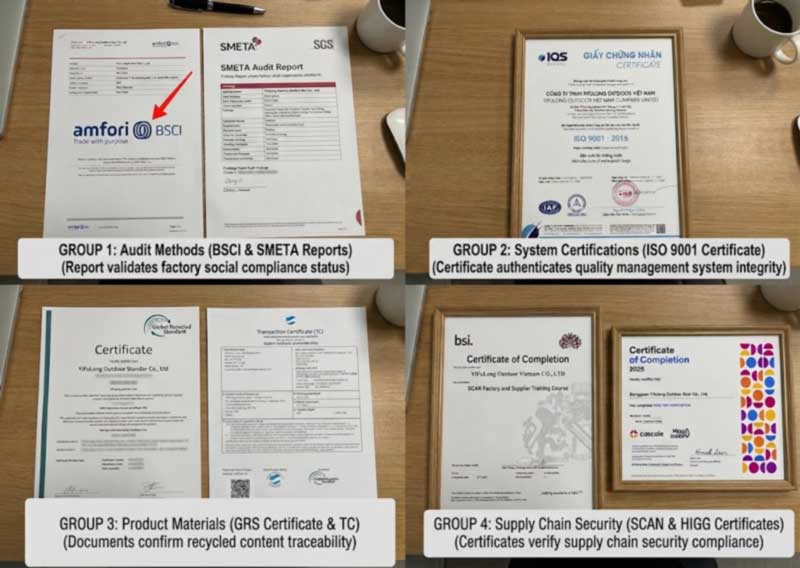
Sealock produces waterproof bags for OEM and wholesale buyers from factories in China and Vietnam, holding ISO 9001, BSCI, SMETA through Sedex, HIGG, GRS, and SCAN. Buyers usually meet certifications as a list on a retailer's vendor form, with no explanation of what each one proves or which are genuinely required for their channel. That gap causes two expensive errors: chasing documents nobody asked for, and discovering too late that a required one is missing. This explains what each covers, and how to tell which your programme actually needs.
1. First, a Distinction Almost Nobody Explains
The single most useful thing to understand is that these documents are not the same kind of thing, and the word "certification" is applied loosely across all of them:
- Audit methodologies — BSCI and SMETA are audit frameworks that produce findings reports, not pass/fail certificates. Reports are uploaded to a shared platform for member buyers to access. Strictly speaking there is no such thing as a "BSCI certificate", which is worth knowing when a supplier offers to send you one.
- Management system certifications — ISO 9001 certifies that a quality management system exists and functions, verified by third-party audit with ongoing surveillance.
- Product and material certifications — GRS verifies recycled content and chain of custody through the supply chain, attaching to material rather than to a factory.
- Supply chain security programmes — SCAN addresses security and anti-smuggling controls rather than labour or quality.
The practical consequence: they are not interchangeable, and a supplier holding several is not automatically covered for what you need. A factory can hold material certification proving its fabric is what it claims while having labour practices an ethical audit would flag — and the reverse is equally possible. This is exactly why serious buyers look for a combination rather than a single document.
2. What Each One Actually Covers
| Document | Type | What it proves | Typically required by |
|---|---|---|---|
| ISO 9001 | Management system certification | A documented quality management system with defect tracking and corrective action, third-party audited with ongoing surveillance | Buyers assessing process discipline and sample-to-bulk repeatability |
| BSCI (amfori) | Audit methodology | Legal compliance, freedom of association, non-discrimination, wages, working hours, health and safety | Most European retailers as a supplier onboarding condition |
| SMETA (via Sedex) | Audit methodology | Two-pillar covers labour and health and safety; four-pillar adds environment and business ethics | UK-based and US multinational buyers; the most widely used ethical audit globally |
| GRS | Product and material certification | Verified recycled content, chain of custody, plus social, environmental and chemical criteria in processing | Brands making recycled-content claims, and EU-bound programmes |
| HIGG | Self-assessment framework with verification | Environmental and social performance measurement across facilities | Outdoor and apparel brands with sustainability reporting obligations |
| SCAN | Supply chain security programme | Security controls and anti-smuggling measures in the supply chain | Importers with customs security programme obligations |
3. Which Ones Your Channel Requires
Requirements follow the channel rather than the product, and most programmes need two to four rather than all of them:
- Selling into European retail — BSCI is the common onboarding condition. Most large retailers require a current audit on file before issuing a purchase order at all, which makes it a gating document rather than a differentiator.
- Selling to UK or US multinationals — SMETA through Sedex is typically specified, and its platform model suits buyers who need to share one audit with several end customers.
- Making any recycled or sustainability claim — GRS, and specifically transaction certificates covering your order rather than only the factory's facility certificate.
- Corporate gifting and promotional programmes — often accept either BSCI or SMETA, so confirm which before commissioning a second audit you do not need.
- Any buyer concerned about batch consistency — ISO 9001 is the baseline signal, though it proves a system rather than a shipment.
Confirm requirements early. Buyers frequently accept an equivalent standard, and asking which ones are acceptable at the start avoids either a delay or a redundant audit.
4. Why This Became Commercially Urgent in 2026
Three developments moved social and material compliance from a filing matter to a trading one:
- Forced-labour enforcement became tariff policy. The 2026 Section 301 actions affecting both China and Vietnam were grounded in forced-labour enforcement rather than trade deficits, which gives documented labour standards direct customs relevance. The context is set out in the guide to choosing a manufacturing base in 2026.
- Environmental claims now require third-party substantiation in the EU. Recycled-content claims must state the percentage, the verification standard, and the certifying body, which turns GRS documentation into a prerequisite for the marketing copy rather than a supporting detail. Covered in the guide to GRS recycled waterproof bags.
- Vendor onboarding hardened. A failed or expired ethical audit can freeze a buyer relationship regardless of product quality or price — the audit is checked before the purchase order, not after.
5. What No Certification Does
This is where buyers over-rely on documents, and it is worth stating plainly. The strongest document package is not the one with the most logos:
- ISO 9001 does not prove your shipment passed inspection. It shows process discipline around quality management. It does not confirm a specific batch met AQL, that dimensions matched the approved sample, or that the goods are waterproof.
- BSCI and SMETA do not prove anything about the product. They are social compliance signals covering labour and safety conditions, not material content, performance, or durability.
- GRS does not prove performance. It verifies recycled content and chain of custody, not that the finished bag holds its rating.
- None of them verify a waterproof claim. There is no certificate that makes a bag submersible. That comes from a stated IPX rating tied to an actual test, verified batch by batch.
Certifications qualify the supplier. Sampling qualifies the design. Inspection qualifies the shipment. A programme needs all three, and substituting one for another is how buyers end up holding a folder of certificates and a container of unusable goods. The testing that actually verifies performance is set out in the quality control standards for waterproof production.
6. How to Verify What a Supplier Sends You
Holding a document and being covered by it are different things, and scope gaps are the most common problem:
- Check validity dates. Audit cycles typically run twelve to twenty-four months depending on grade and follow-up actions, so a report can be genuine and out of date.
- Check the scope covers your product category and the site producing it. A certificate covering one facility does not automatically cover a second, which matters for suppliers operating in more than one country.
- Ask for the report, not a summary. Since BSCI and SMETA produce findings reports rather than certificates, the useful document shows findings and corrective actions — a supplier offering only a logo or a one-line claim is not sharing what buyers actually assess.
- For material claims, request order-level documents. A facility certificate shows the factory is certified; transaction certificates connect your specific goods to certified material.
- Confirm who performed the audit. These frameworks are audited by accredited firms such as SGS, Bureau Veritas, Intertek, TÜV, and QIMA.
7. Sealock's Position
Sealock (YiFuLong Outdoor Gear Co., Ltd.) has built waterproof bags for over 20 years, producing for international outdoor brands including OSPREY, KAILAS, Helly Hansen, SIMMS, ORVIS, and West Marine.
- Quality system: ISO 9001
- Social compliance: BSCI and SMETA via Sedex — reports available on request, at either production site
- Material and environmental: GRS for recycled-content programmes, HIGG for environmental performance
- Supply chain security: SCAN
- Factory audit: available at Dongguan, China and Ho Chi Minh City, Vietnam; buyer-appointed and third-party auditors accepted
- Testing: where a buyer's market requires a standard not currently held, testing can be arranged to a target specification rather than claimed
That last point is worth being direct about: a supplier claiming to hold every certificate a buyer names is less credible than one that states what it holds and offers to arrange the rest. How to verify capability on site is covered in the guide to arranging a factory audit.
8. Range Produced Under These Standards
Models organized by category rather than priority:
| Image | Model | Category | Material | Rating | Product Page |
|---|---|---|---|---|---|
|
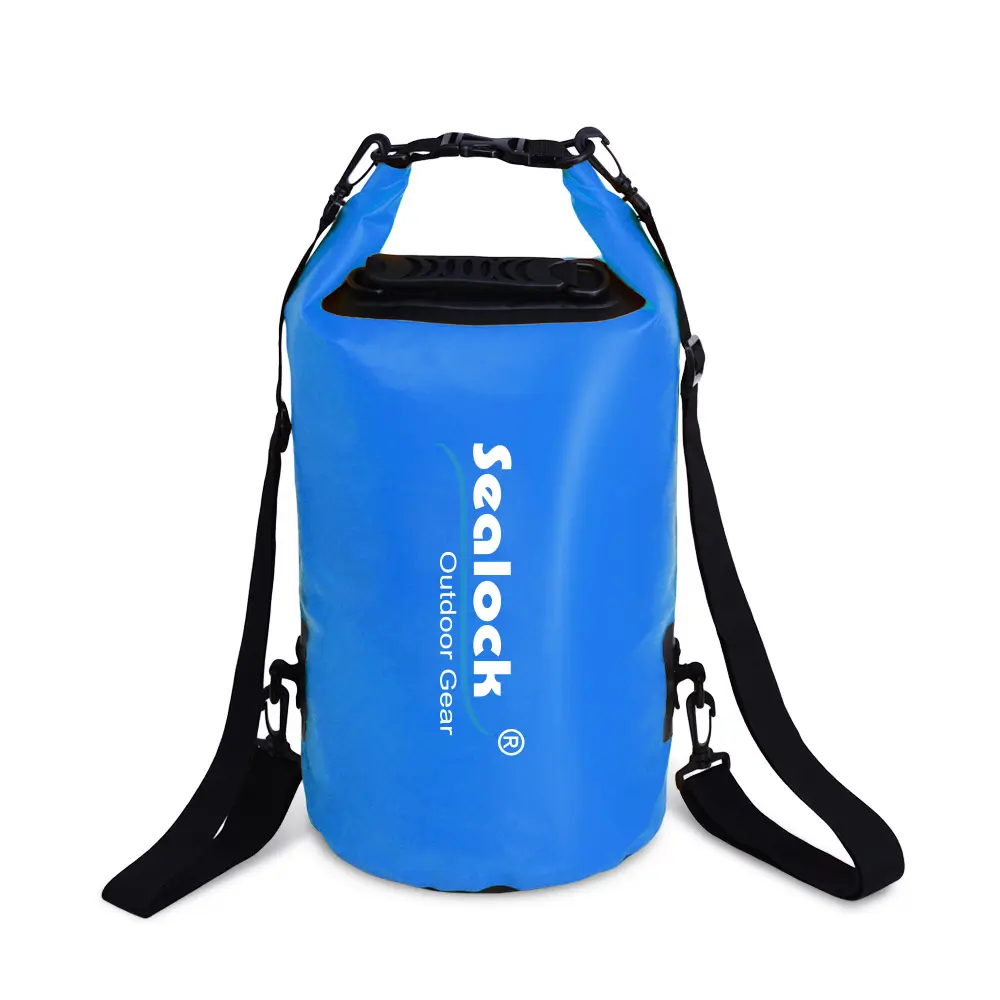
SL-D002 | Dry bag, 5–63L | 500D PVC | IPX7 | View |
|
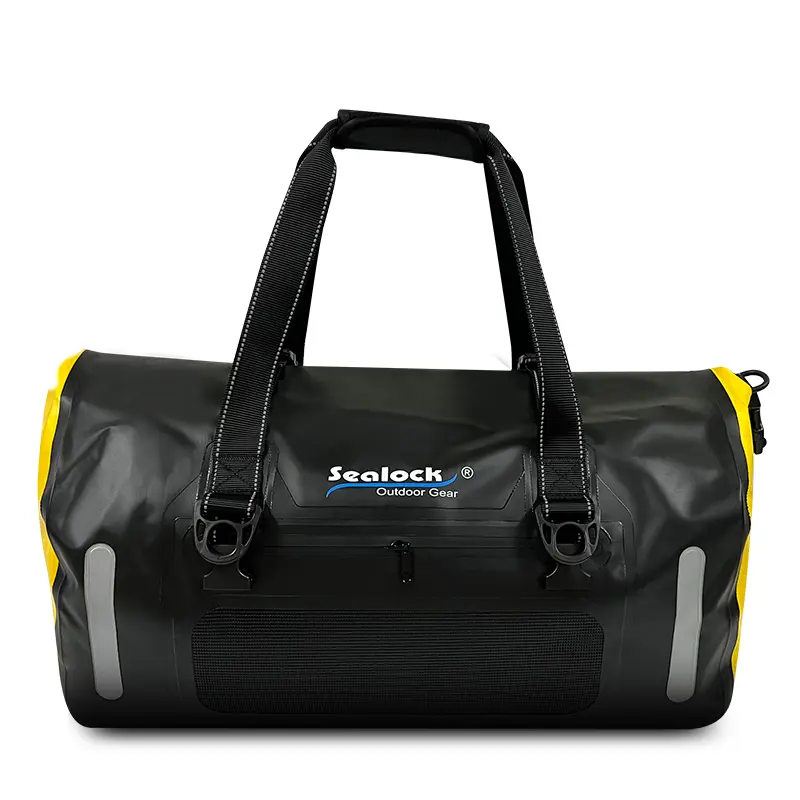
SL-K099 | Duffel, 40 / 60L | 840D TPU | IPX7 | View |
|
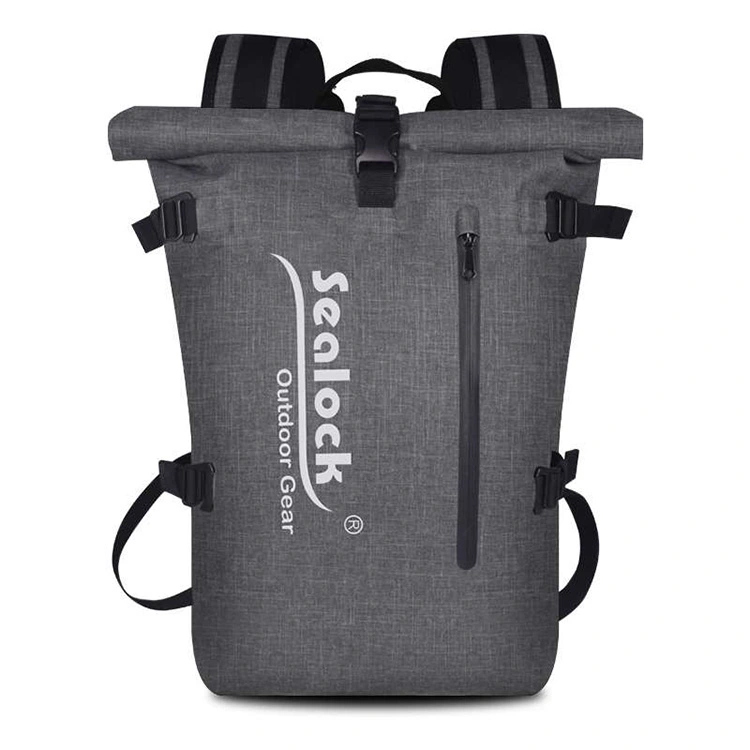
SL-E980 | Commuter backpack, 22L | 600D TPU | IPX6 | View |

|
SL-E119 | Backpack, 20L | Cationic TPU composite | IPX8 | View |
|
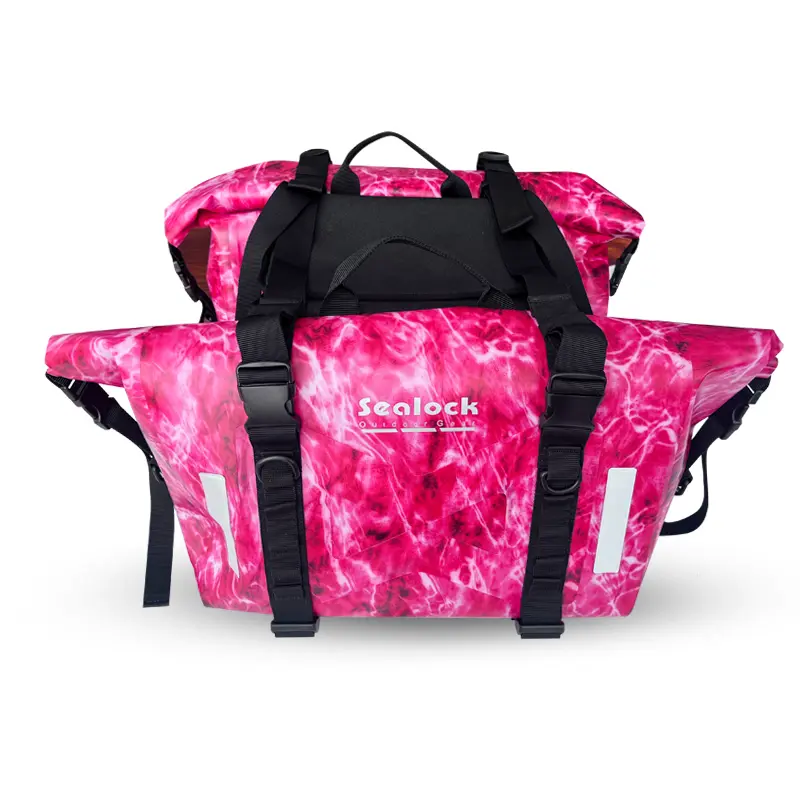
SL-C807 | Motorcycle, 45L | 500D PVC / 420D TPU | IPX6 | View |
|
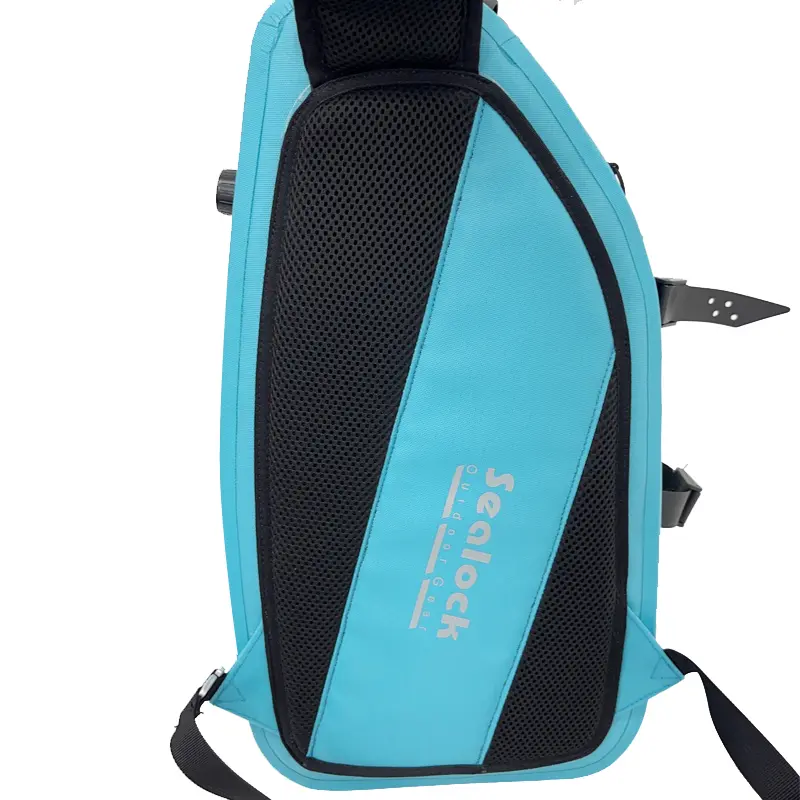
SL-E868A | Fishing sling, 12L | 840D TPU | IPX8 | View |
Full categories sit under waterproof bags, dry backpacks, and dry bags.
9. FAQ
Q: Can you send us your BSCI certificate?
A: BSCI produces an audit findings report rather than a pass/fail certificate, as does SMETA — so what we can share is the report, which is what buyers actually assess. Any supplier offering a "BSCI certificate" is describing something that does not exist in that framework.
Q: Which certifications do we actually need?
A: It follows your channel. European retail typically requires BSCI as an onboarding condition; UK and US multinationals typically specify SMETA; any recycled claim requires GRS with order-level transaction certificates. Confirm with your retail customer early, since equivalents are often accepted and a second audit may be unnecessary.
Q: Does ISO 9001 mean our shipment will be correct?
A: No. It certifies that a quality management system exists and is audited, which is a supplier capability signal rather than shipment proof. It does not confirm a batch passed AQL, matched the approved sample, or holds its waterproof rating — those come from inspection and testing.
Q: Is there a certification that proves a bag is waterproof?
A: Not in the way buyers expect. Waterproof performance is stated as an IPX rating tied to a named test method and verified batch by batch — immersion testing for IPX7 and IPX8, rain and jet testing for IPX6. Ask for the test and the result rather than a certificate.
Q: The supplier's certificate is valid but does it cover our product?
A: This is the most common gap. Check that the scope covers both your product category and the specific site producing your goods — a certificate held at one facility does not automatically extend to another, which matters with suppliers operating in more than one country.
Q: What if our market needs something you do not hold?
A: Testing can be arranged to a target specification. A supplier that states what it holds and offers to arrange the rest is more reliable than one that claims every certificate a buyer names — and the paperwork is easier to defend when a retailer checks it.
Request the Documentation Pack
Tell us your destination market and which documents your retail customer specifies, and we can send what applies and confirm scope and validity for the site producing your order — submit an inquiry. Sealock responds to procurement enquiries within 24 hours, with production from Dongguan, China or Ho Chi Minh City, Vietnam.