
- English
- Español
- Português
- русский
- Français
- 日本語
- Deutsch
- tiếng Việt
- Italiano
- Nederlands
- ภาษาไทย
- Polski
- 한국어
- Svenska
- magyar
- Malay
- বাংলা ভাষার
- Dansk
- Suomi
- हिन्दी
- Pilipino
- Türkçe
- Gaeilge
- العربية
- Indonesia
- Norsk
- تمل
- český
- ελληνικά
- український
- Javanese
- فارسی
- தமிழ்
- తెలుగు
- नेपाली
- Burmese
- български
- ລາວ
- Latine
- Қазақша
- Euskal
- Azərbaycan
- Slovenský jazyk
- Македонски
- Lietuvos
- Eesti Keel
- Română
- Slovenski
- मराठी
- Srpski језик

Vietnam or China: Choosing a Waterproof Bag Manufacturing Base in 2026
Sealock manufactures waterproof bags for OEM and wholesale buyers from factories in Dongguan, China and Ho Chi Minh City, Vietnam, with either origin available on any model in the range. For importers, the origin decision changed twice in 2026 and most sourcing advice online is now out of date — including the widely repeated claim that Vietnam is duty-free. This sets out what actually applies, how to calculate it for bags, and what determines origin when a supplier operates in both countries.
1. What Changed in 2026
Two events reset the landscape, and any guide written before them is unreliable:
- February 2026 — the Supreme Court struck down the IEEPA tariffs. The reciprocal tariffs and the fentanyl-related duties imposed under that authority were invalidated, and an interim global measure of 10% took their place. Duties previously paid under the invalidated rates became refundable, which is worth checking with a customs broker if you imported during that window.
- 24 July 2026 — a Section 301 forced-labour baseline replaced the interim measure. USTR imposed new Section 301 duties tied to enforcement of forced-labour import prohibitions. China was assigned a 12.5% rate under this action, and Vietnam was also assigned a 12.5% rate following a parallel Section 301 investigation concluded in 2026 — though it does not apply to all products.
The practical consequence for bag importers: Vietnam is no longer a zero-tariff origin. The gap versus China has narrowed, and the reason it still exists is narrower than most buyers assume.
2. How to Actually Calculate It for Bags
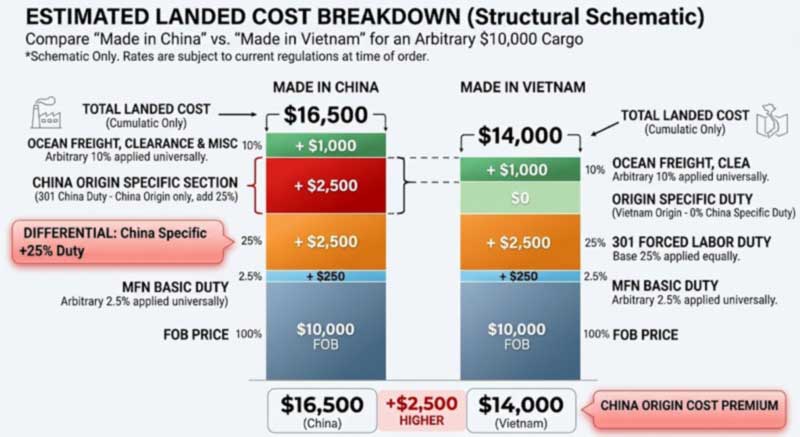
Duty is stacked, not single-rate, and the layers are what a landed-cost model needs:
| Layer | Applies to | Note for bags |
|---|---|---|
| MFN base duty | All origins | Set by HTS classification — bags and cases sit under heading 4202, and rates vary considerably by subheading and material |
| Section 301 forced-labour baseline | China and Vietnam, among others | 12.5% under the July 2026 action; product scope is not universal |
| China-specific Section 301 | China only | The structural difference between the two origins. Consumer goods on List 4A have historically carried 7.5%, other lists 25% |
| Section 232 | Steel, aluminium, copper, autos | Not normally relevant to textile bags |
| Merchandise Processing Fee | All entries | Small but real; include it in the model |
Two things follow. First, the HTS subheading matters more than the country for the base layer — a bag's classification within 4202 depends on outer surface material and construction, so confirm it with a broker before modelling, not after. Second, the China–Vietnam differential now comes almost entirely from the China-specific Section 301 layer, since both origins carry the forced-labour baseline.
Rates in this area have changed several times within a single year and remain subject to executive action and litigation. Treat every figure here as a structure to check rather than a quote, and verify your specific HTS code against current schedules at the time you order.
3. Origin Is Determined by Substantial Transformation, Not by the Address on the Invoice
This is where dual-base sourcing goes wrong for buyers who treat it as a paperwork exercise. Country of origin for duty purposes turns on where the product underwent substantial transformation — where materials became a new article with a different name, character, and use. Cutting, welding, sewing, and assembling a finished bag in Vietnam is normally substantial transformation. Shipping finished or near-finished goods into Vietnam for repacking is not, and treating it as though it were is a customs exposure that lands on the importer.
What that means in practice when specifying a Vietnam-origin order:
- The manufacturing operations themselves must happen there — panel cutting, welding, stitching, assembly, and finishing, not final packing.
- Component sourcing does not automatically break origin, but it should be documented. Fabric, zippers, and hardware may come from regional supply chains; the transformation is what matters.
- Documentation should support the claim — production records, bills of materials, and process descriptions that a customs authority could review.
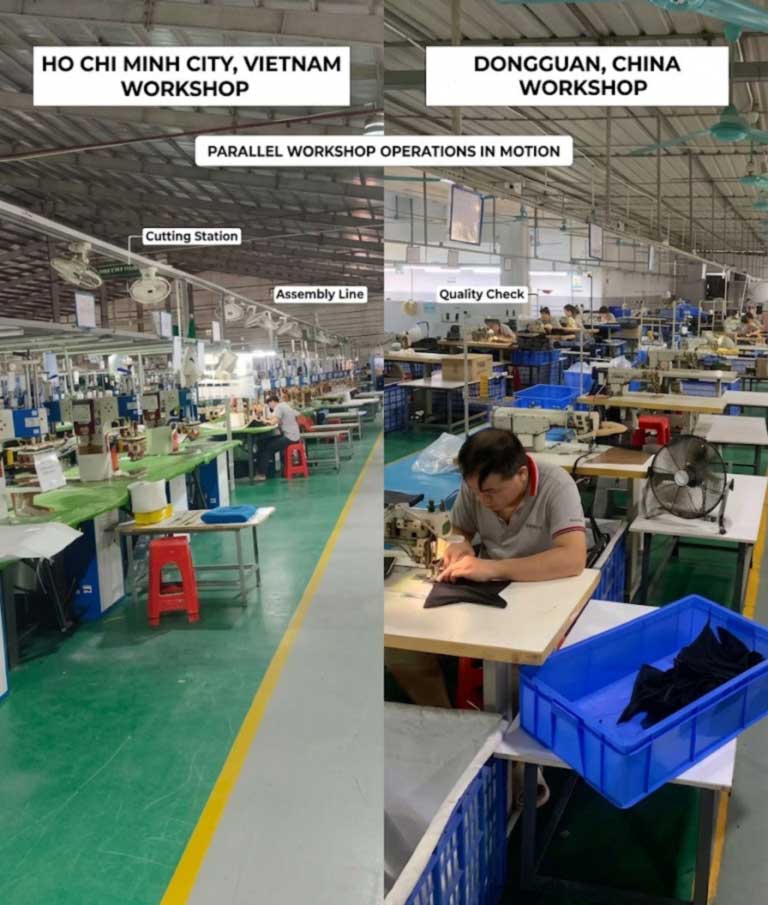
Sealock's Ho Chi Minh City facility is a full production site rather than a finishing point, running the same processes as the China base, which is what makes the origin claim defensible rather than nominal.
4. Forced-Labour Compliance Became a Tariff Issue in 2026
This is the shift most sourcing guides have not absorbed. Both the China and Vietnam Section 301 actions in 2026 were grounded in forced-labour enforcement rather than in trade deficits. That reframes social compliance audits from a corporate-responsibility line item into something with direct customs and tariff relevance, and it raises the value of a supplier that can document its labour standards and material traceability.
Sealock holds BSCI, SMETA, Sedex, and ISO 9001, alongside HIGG, GRS, and SCAN, and factory audit is available at either site. For a buyer whose channel or customs position may require evidence rather than assurances, that documentation is worth confirming at supplier selection rather than after a shipment is detained.
5. Tariff Is One Input, Not the Decision
Buyers who optimise for duty alone frequently discover the saving elsewhere. The full comparison:
| Factor | China base | Vietnam base |
|---|---|---|
| Duty position (US-bound) | Carries China-specific Section 301 on top of the baseline | No China-specific Section 301; carries the forced-labour baseline |
| Development speed | Faster — R&D, tooling, and die machining are here | Better suited to established, stable specifications |
| Component supply | Deepest supply chain for coated fabrics, zippers, and hardware | Regional sourcing, with more planning required for specialised components |
| Complex new development | Preferred for ground-up projects and new geometries | Preferred once a design is proven and running |
| Best used for | Sampling, tooling development, technical and low-volume programmes | Volume production for tariff-sensitive markets |
The practical pattern most brands land on is not choosing one country but splitting by function: develop and tool in China where the engineering and die-making sit, then produce in Vietnam where the duty position favours it. That only works if both sites are inside one company running the same specifications and quality system — otherwise a brand is managing two suppliers and two standards, and the transfer becomes its own risk.
6. How Dual-Base Production Works in Practice
- Any model, either origin. The full range can be produced at either site, so origin is a commercial decision rather than a product limitation.
- One approved sample governs both. A signed gold sample is held against production at either site, with the same three-stage IQC, IPQC, and OQC control and the same test suite.
- Non-US markets are not always better served from Vietnam. If a programme also ships to the EU or Asia, model duty separately per destination rather than assuming one origin is optimal for everything.
- Decide before sampling where possible. Moving an established programme between sites is workable but takes scheduling, so raising it at enquiry is cheaper than raising it after tooling.
7. Production Capability at Both Sites
Sealock (YiFuLong Outdoor Gear Co., Ltd.) has built waterproof bags for over 20 years, producing for international outdoor brands including OSPREY, KAILAS, Helly Hansen, SIMMS, ORVIS, and West Marine.
- Processes: 27.12 MHz high-frequency welding and industrial sewing, run as separate workshops on the same production floor at each site
- MOQ: 300 pcs on most models | Samples: 7–15 days | Bulk: 30–45 days
- Terms: FOB Guangdong, T/T 30% deposit and 70% balance against inspection
- Certifications: ISO 9001, BSCI, SMETA, Sedex, HIGG, GRS, SCAN; factory audit available at either site
8. Range Available From Either Origin
Models organized by category rather than priority:
| Image | Model | Category | Material | Rating | Product Page |
|---|---|---|---|---|---|
|
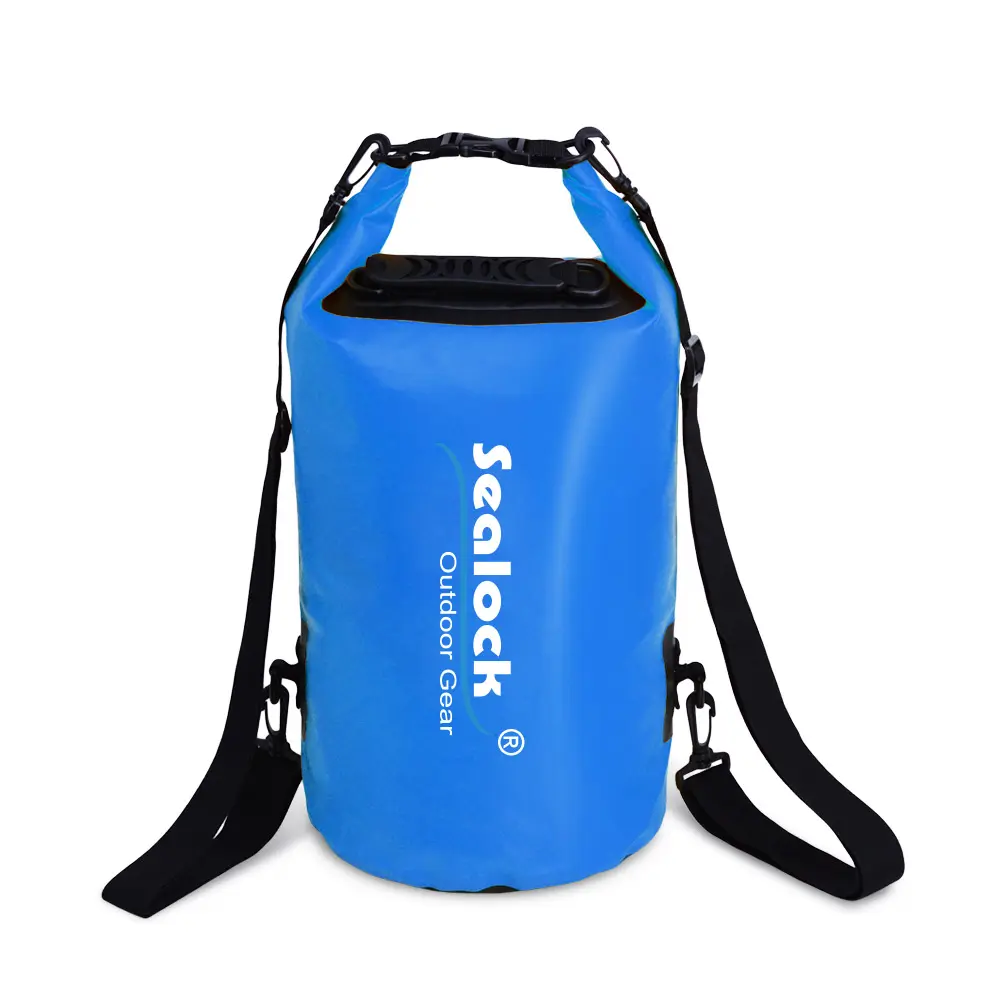
SL-D002 | Dry bag, 5–63L | 500D PVC | IPX7 | View |
|
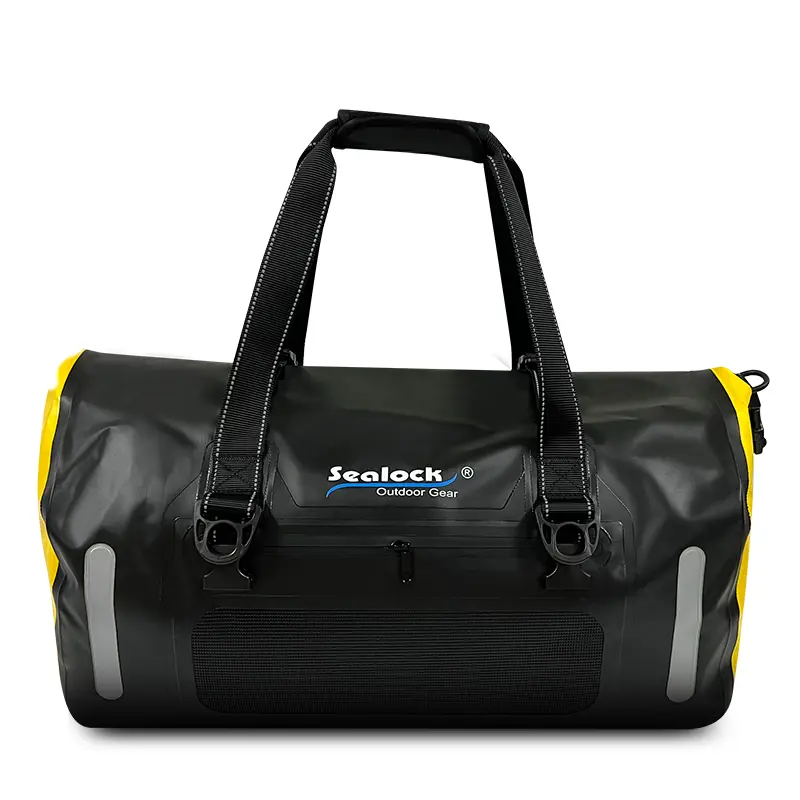
SL-K099 | Duffel, 40 / 60L | 840D TPU | IPX7 | View |
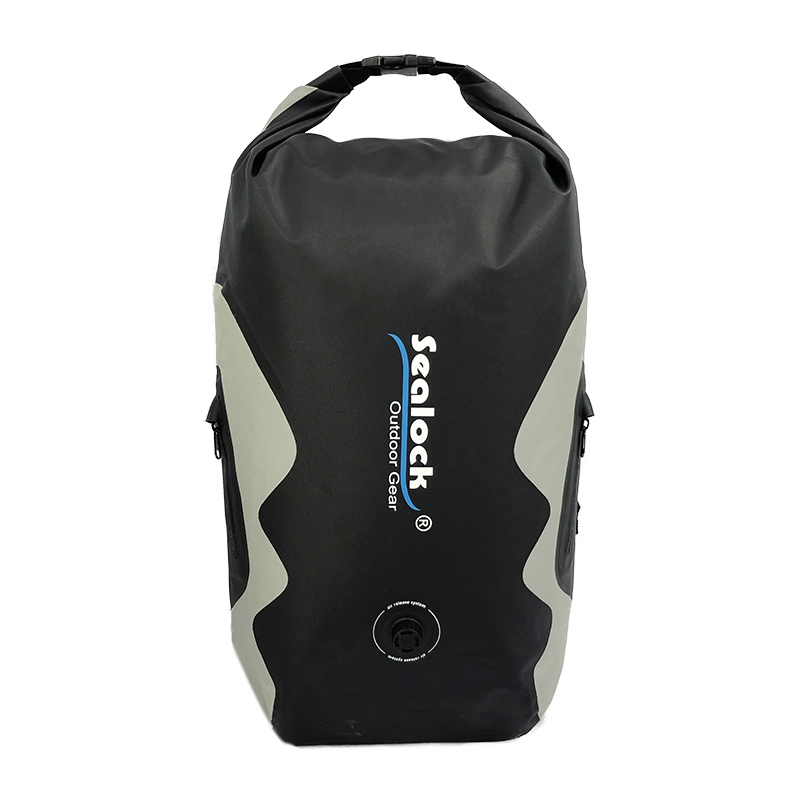
|
SL-E070 | Dry backpack, 25L | 420D TPU | IPX8 | View |
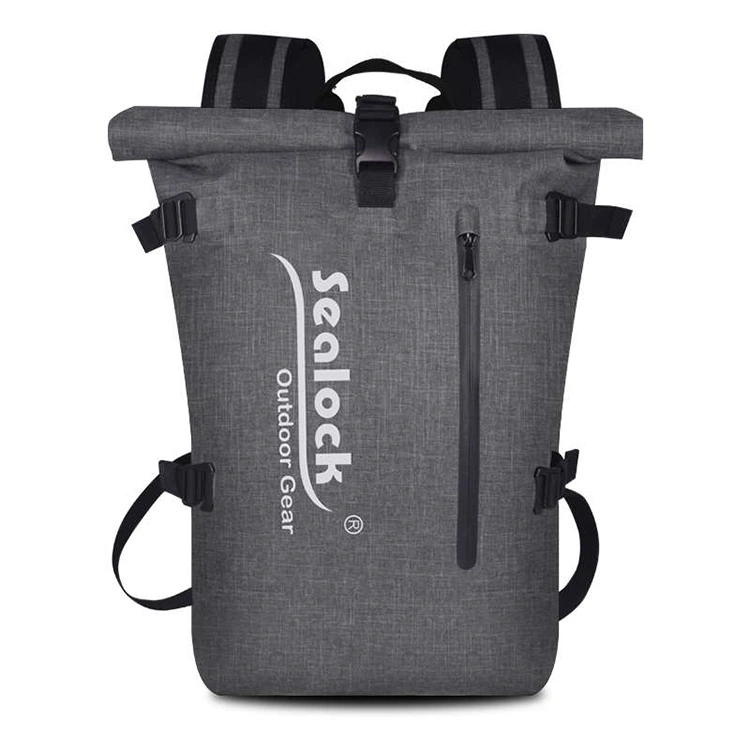
|
SL-E980 | Commuter backpack, 22L | 600D TPU | IPX6 | View |
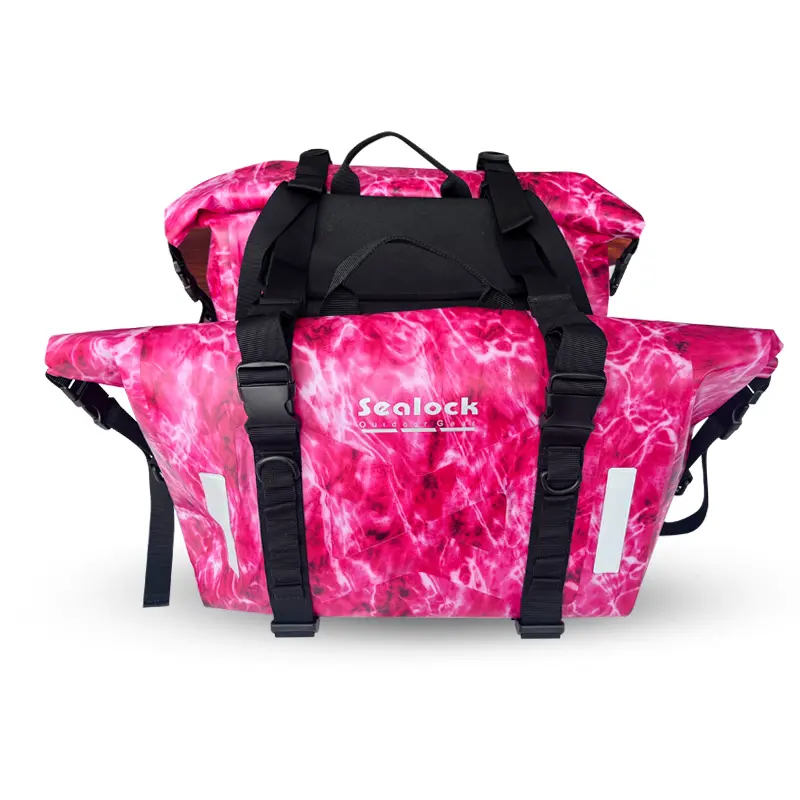
|
SL-C807 | Motorcycle luggage, 45L | 500D PVC / 420D TPU | IPX6 | View |
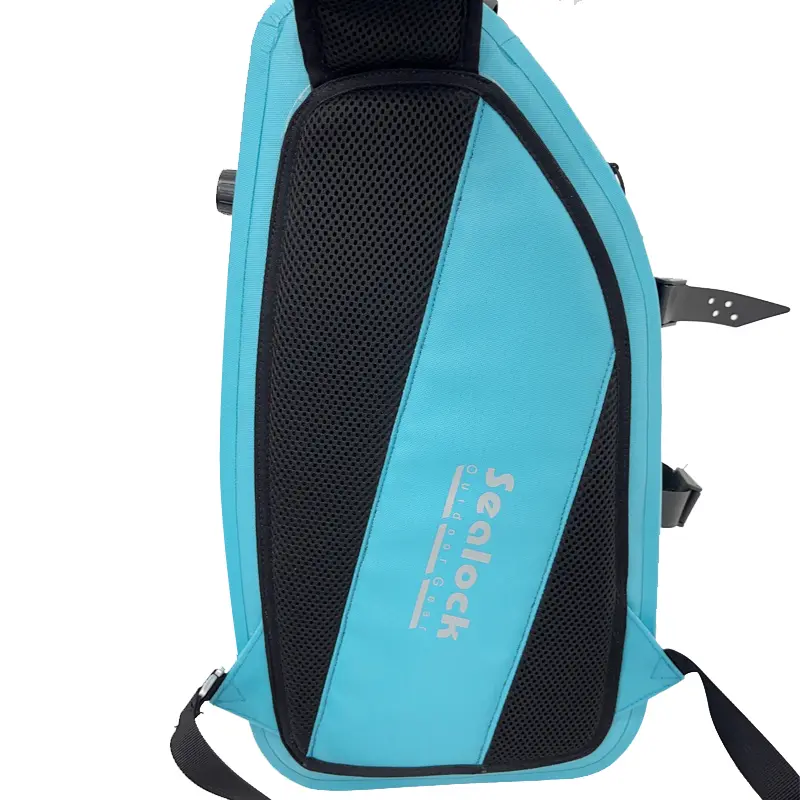
|
SL-E868A | Fishing sling, 12L | 840D TPU | IPX8 | View |
Full categories sit under waterproof bags, dry backpacks, and dry bags. Landed-cost method for a bulk order is covered in the bulk purchasing guide for importers, and construction options in the guide to sewn versus welded construction.
9. Quality Control Is Identical Across Sites
Every batch at either site runs IQC on incoming fabric, zippers, and hardware; IPQC in process on both welding and sewing lines, including peel tests on sample welds at run start and stitch density and tension checks; and OQC with AQL sampling, batch immersion or rain testing to each model's stated rating, and signed gold-sample comparison. The full customer inspection procedure — unboxing, vacuum extraction, a 24-hour static rest, and air-leak determination — can be witnessed end to end, with SGS or QIMA inspection available. Standards are set out in the quality control standards for waterproof production.
10. FAQ
Q: Is Vietnam still duty-free for US imports?
A: No, and this is the most common outdated claim in sourcing guides. Vietnam was assigned a 12.5% Section 301 rate in 2026 following a forced-labour investigation, replacing the interim measure that followed the Supreme Court's February ruling. The advantage versus China now comes from Vietnam not carrying China-specific Section 301 duties, not from being untaxed.
Q: What rate will apply to our bags specifically?
A: It depends on your HTS subheading within heading 4202, which turns on outer surface material and construction, plus the layers that apply to your origin. Confirm the classification with a customs broker and check current schedules at the time of ordering — rates in this area changed multiple times within 2026.
Q: Can we just have goods finished in Vietnam to change origin?
A: No. Origin follows substantial transformation — where materials become a new article with a different name, character, and use. Packing or light finishing does not qualify, and the exposure sits with the importer. Vietnam-origin orders here are manufactured there end to end, which is what makes the claim defensible.
Q: Should we move everything to Vietnam?
A: Rarely the best answer. Development, tooling, and die machining are faster in China, and complex new geometries sample better there; Vietnam suits volume production of established specifications for tariff-sensitive markets. Splitting by function inside one supplier is usually stronger than relocating wholesale.
Q: Why do social compliance audits matter for tariffs now?
A: Because the 2026 Section 301 actions against both countries were grounded in forced-labour enforcement rather than trade deficits. That makes documented labour standards and material traceability commercially relevant rather than purely a CSR matter — BSCI, SMETA, and Sedex documentation is available here, with factory audit at either site.
Q: How do we switch origin on an existing programme?
A: The same model can be produced at either site against one approved gold sample and the same quality system, so it is a scheduling exercise rather than a redevelopment. Raise it at enquiry where possible; moving after tooling is workable but takes more lead time.
Request an Origin Recommendation
Send your destination market, product type, and target quantity, and we can advise which base suits your duty position and quote both — submit an inquiry. Sealock responds to procurement enquiries within 24 hours, with production from Dongguan, China or Ho Chi Minh City, Vietnam.
Tariff information in this article reflects publicly reported measures as of publication and is provided as background only. Rates and product scope in this area change frequently and are subject to executive action and litigation. Confirm your classification and current applicable rates with a licensed customs broker before making sourcing decisions.