
- English
- Español
- Português
- русский
- Français
- 日本語
- Deutsch
- tiếng Việt
- Italiano
- Nederlands
- ภาษาไทย
- Polski
- 한국어
- Svenska
- magyar
- Malay
- বাংলা ভাষার
- Dansk
- Suomi
- हिन्दी
- Pilipino
- Türkçe
- Gaeilge
- العربية
- Indonesia
- Norsk
- تمل
- český
- ελληνικά
- український
- Javanese
- فارسی
- தமிழ்
- తెలుగు
- नेपाली
- Burmese
- български
- ລາວ
- Latine
- Қазақша
- Euskal
- Azərbaycan
- Slovenský jazyk
- Македонски
- Lietuvos
- Eesti Keel
- Română
- Slovenski
- मराठी
- Srpski језик

27.12 MHz HF Welding
Waterproof performance is not created by coatings alone. For professional dry bags, waterproof backpacks, cooler bags, and technical outdoor equipment, the most critical factor is the integrity of every seam.
At Sealock (Yi Fu Long), we use advanced 27.12 MHz High Frequency (HF) Welding Technology to manufacture waterproof products with seamless molecular bonding. Unlike traditional stitching or surface heating methods, HF welding creates a permanent fusion between TPU and PVC-coated materials, forming airtight and watertight seams designed for demanding outdoor environments.
With more than 25 years of waterproof bag manufacturing experience, our engineering team applies controlled HF welding parameters, precision welding dies, and multi-step quality inspections to deliver reliable OEM and ODM waterproof solutions for global outdoor brands.
What Is 27.12 MHz High Frequency Welding?
High Frequency (HF) welding, also known as Radio Frequency (RF) welding, is an advanced manufacturing process that joins thermoplastic materials by using electromagnetic energy.
Unlike conventional heat sealing, where heat is transferred from the outside surface into the material, HF welding generates heat inside the polymer structure through dielectric heating. This allows TPU layers to soften and fuse together evenly without damaging the outer surface.
The result is not a glued connection or mechanical attachment. Instead, the welded area becomes a unified material structure with high waterproof reliability and excellent mechanical strength.
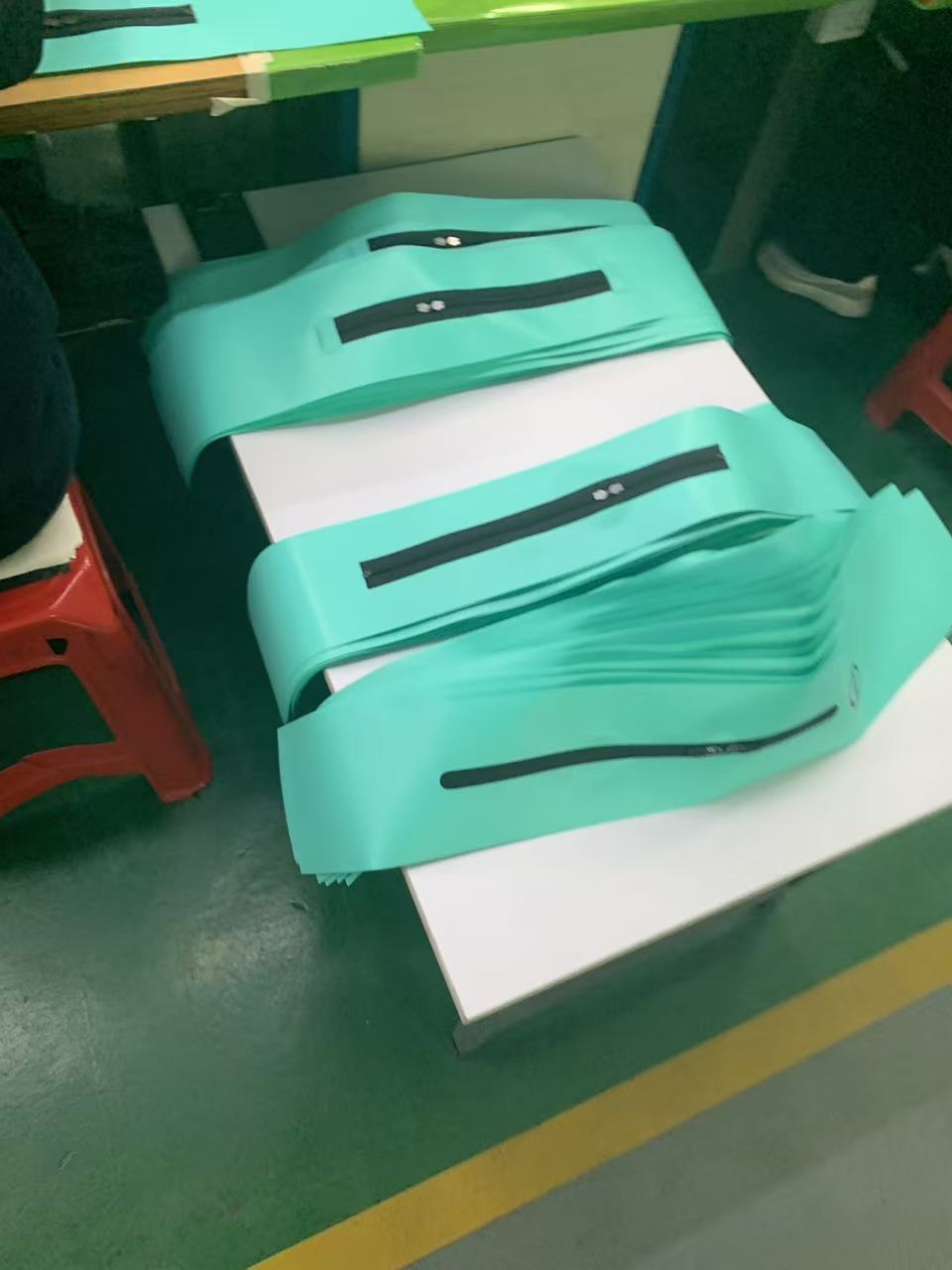
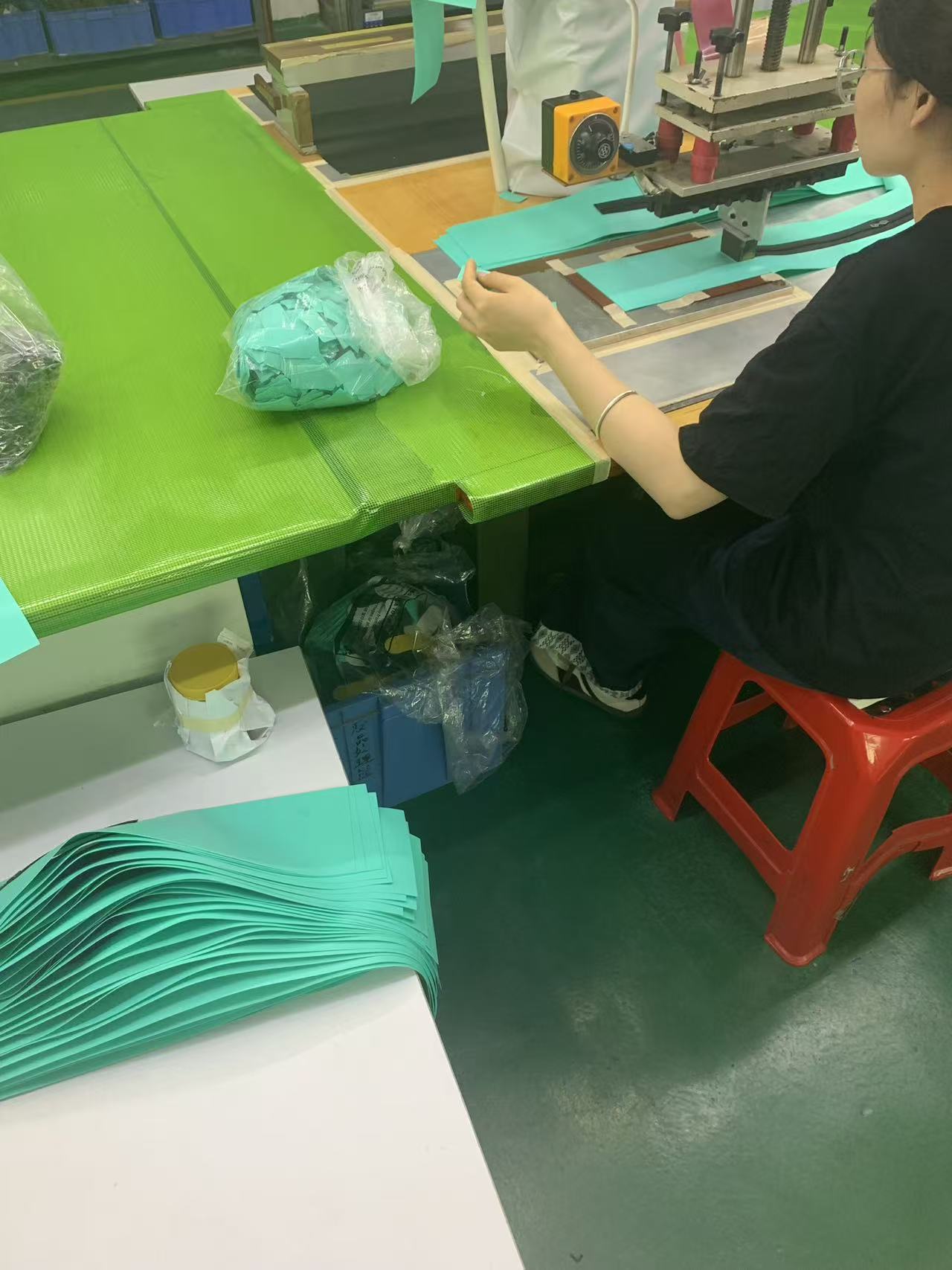
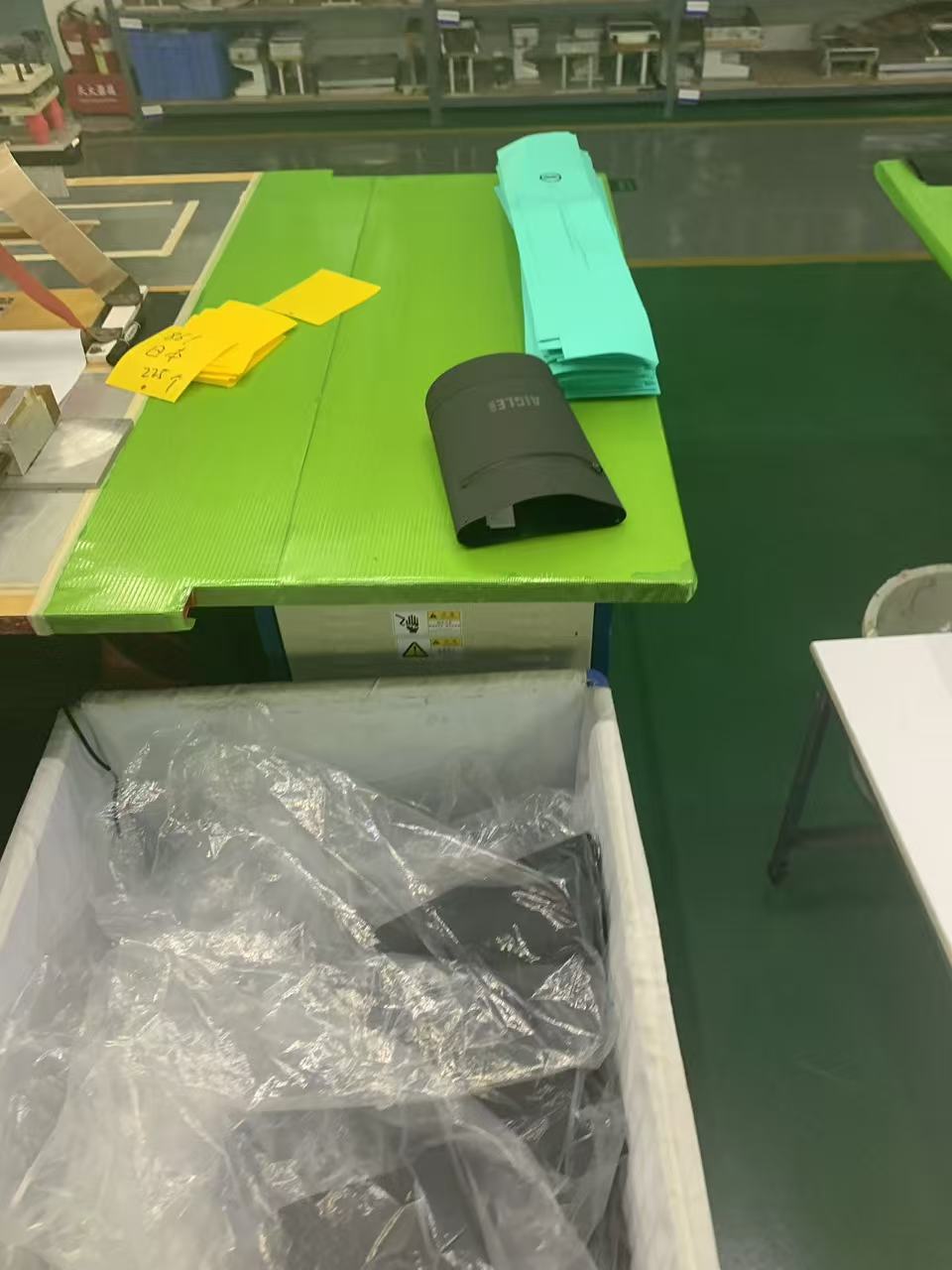
Figure 1: Sealock engineers operating 27.12 MHz HF welding equipment for waterproof bag production.
How Does 27.12 MHz HF Welding Work?
The working principle of HF welding is based on dielectric heating. When TPU or PVC-based materials are placed between two welding electrodes, a high-frequency electromagnetic field is generated.
1. Material Polar Molecules React to Electromagnetic Energy
Thermoplastic materials such as TPU contain polar molecular structures. Under a 27.12 MHz electromagnetic field, these molecules rapidly change orientation according to the alternating electrical field.
This molecular movement creates internal friction, generating heat evenly throughout the welding area. Because the heat originates inside the material, the bonding process creates a deeper and more stable fusion compared with external heating methods.
2. Molecular Fusion Creates a Waterproof Seam
Once the temperature reaches the required melting point, pressure is applied through precision welding dies. The softened TPU layers merge together and cool into a permanent bonded structure.
This process eliminates common leakage risks caused by:
- Needle holes from sewing processes
- Uneven adhesive distribution
- Surface-only bonding
- Micro gaps between fabric layers
For waterproof bags designed for kayaking, diving, fishing, camping, and marine applications, this molecular-level bonding provides a critical advantage.
Why Sealock Uses 27.12 MHz Instead of Standard Welding Methods
Not all welding technologies provide the same performance. The frequency selection, machine stability, welding pressure, and material control directly affect seam reliability.
27.12 MHz is the internationally recognized industrial frequency widely used for heavy-duty thermoplastic welding applications because it provides stable energy distribution and excellent control when processing technical fabrics.
| Technical Factor | 27.12 MHz HF Welding | Traditional Bonding Methods |
|---|---|---|
| Bonding Method | Molecular fusion inside material | Surface bonding or mechanical joining |
| Waterproof Performance | Excellent airtight and watertight seams | Higher risk of leakage points |
| Suitable Materials | TPU, PVC, coated polyester, coated nylon | Limited compatibility |
| Application | Dry bags, waterproof backpacks, marine products | General textile products |
HF Welding vs Heat Sealing: What Makes the Difference?
Heat sealing and high frequency welding are both used for joining waterproof materials, but their working principles are completely different.
Traditional heat sealing transfers heat from the outside surface into the material. This process depends heavily on temperature control, heating time, and operator experience. Excessive heat can damage TPU coatings, reduce flexibility, or create weak bonding areas.
27.12 MHz HF welding generates heat internally through dielectric energy. This allows the entire welding area to achieve uniform fusion while maintaining the original flexibility and durability of the material.
| Comparison | 27.12 MHz HF Welding | Heat Sealing |
|---|---|---|
| Heating Method | Internal dielectric heating | External thermal heating |
| Material Protection | Preserves TPU flexibility and structure | Possible overheating or surface damage |
| Seam Uniformity | Consistent molecular bonding | Depends more on process control |
| Heavy TPU Fabric | Suitable for 420D–840D TPU materials | More difficult for thick structures |
HF Welding vs Sewing: Why Waterproof Bags Require Seamless Bonding
Sewing remains one of the most common manufacturing methods for textile bags. However, every needle penetration creates small openings in the material structure.
For everyday backpacks, stitching may be acceptable. But for professional waterproof products used in kayaking, diving, fishing, and marine environments, seam leakage prevention becomes the priority.
HF welding eliminates needle holes by joining materials directly. Combined with waterproof construction methods, welded seams provide better protection against water penetration.
| Feature | HF Welding | Sewing |
|---|---|---|
| Waterproof Seam | Seamless welded structure | Need additional seam sealing |
| Air Tightness | Excellent | Limited |
| Marine Applications | Recommended | Requires additional waterproof treatment |
Materials Compatible with 27.12 MHz HF Welding
The performance of HF welding depends on material compatibility. At Sealock, our welding process is optimized for a wide range of waterproof technical fabrics.
TPU (Thermoplastic Polyurethane)
TPU is one of the most suitable materials for HF welding because of its excellent flexibility, abrasion resistance, and waterproof characteristics.
Common TPU structures used in waterproof bags include:
- 840D TPU Composite Fabric
- 600D TPU Coated Polyester
- 420D TPU Lightweight Fabric
- TPU Mesh and Transparent TPU Window Materials
PVC Waterproof Fabrics
PVC-coated fabrics are widely used in heavy-duty dry bags and outdoor equipment because they provide excellent abrasion resistance and cost efficiency.
- 500D PVC Waterproof Fabric
- 1000D PVC Tarpaulin
- PVC Mesh Reinforced Fabric
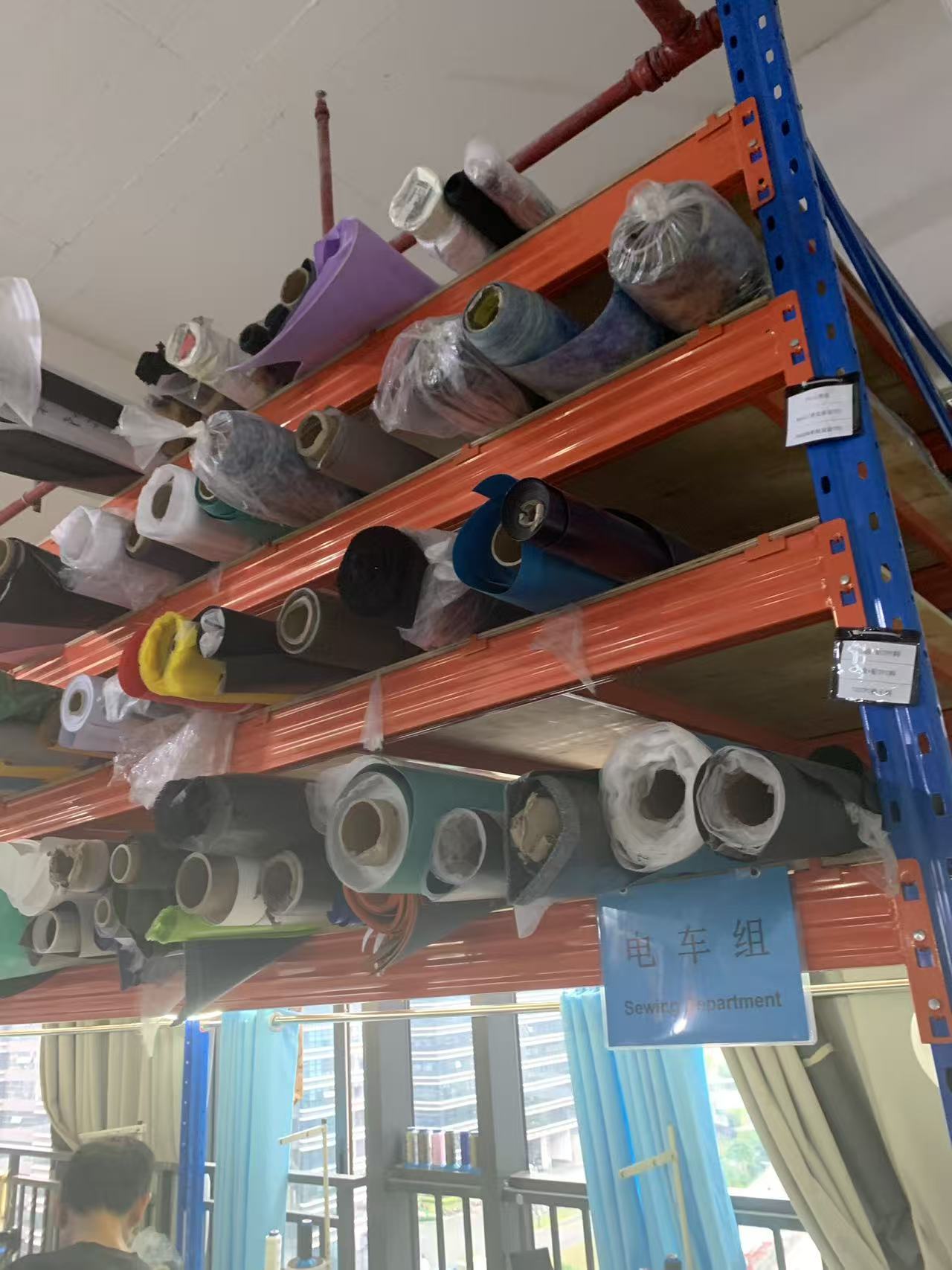
Figure 2: TPU and PVC technical fabrics selected for high frequency welding applications.
Waterproof Products Manufactured with HF Welding Technology
27.12 MHz HF welding is widely applied in professional waterproof equipment where seam reliability is critical.
1. Waterproof Dry Bags
Dry bags require complete waterproof protection during kayaking, rafting, sailing, and outdoor exploration. HF welded seams help prevent water intrusion even under repeated exposure to water pressure.
2. Waterproof Backpacks
For motorcycle riders, commuters, and outdoor professionals, welded waterproof backpacks provide protection for electronics, documents, and personal equipment.
3. Waterproof Duffel Bags
Large capacity waterproof duffel bags used for travel, diving, and expedition applications benefit from stronger welded structures.
4. Soft Cooler Bags
TPU welded soft cooler bags require airtight construction to improve insulation performance and prevent moisture penetration.
- Dry Bag
- Waterproof Backpack
- Waterproof Duffel Bag
- Soft Cooler Bag
- Motorcycle Waterproof Bag
- Outdoor Equipment Bags
Sealock HF Welding Manufacturing Process
High-quality waterproof products require more than advanced equipment. The welding process must be controlled from material preparation to final inspection.
| Process Step | Description |
|---|---|
| 1. Material Inspection | Check fabric thickness, coating quality, and TPU/PVC compatibility. |
| 2. Cutting Preparation | Precision cutting ensures accurate welding alignment. |
| 3. HF Welding | 27.12 MHz equipment applies controlled electromagnetic energy and pressure. |
| 4. Seam Inspection | Check welding appearance, strength, and waterproof performance. |
Sealock's 27.12 MHz HF Welding Manufacturing Capability
Advanced welding technology requires equally advanced manufacturing control. At Sealock (Yi Fu Long), HF welding is not treated as a single production step. It is managed as a complete engineering system covering equipment calibration, welding parameters, operator training, and final inspection.
With more than 25 years of waterproof outdoor product manufacturing experience, Sealock has developed standardized welding procedures for different materials, thicknesses, and product structures.
- 27.12 MHz industrial high frequency welding machines
- Multiple HF welding production lines
- Precision brass welding dies
- Controlled welding pressure and energy settings
- Professional QC inspection procedures
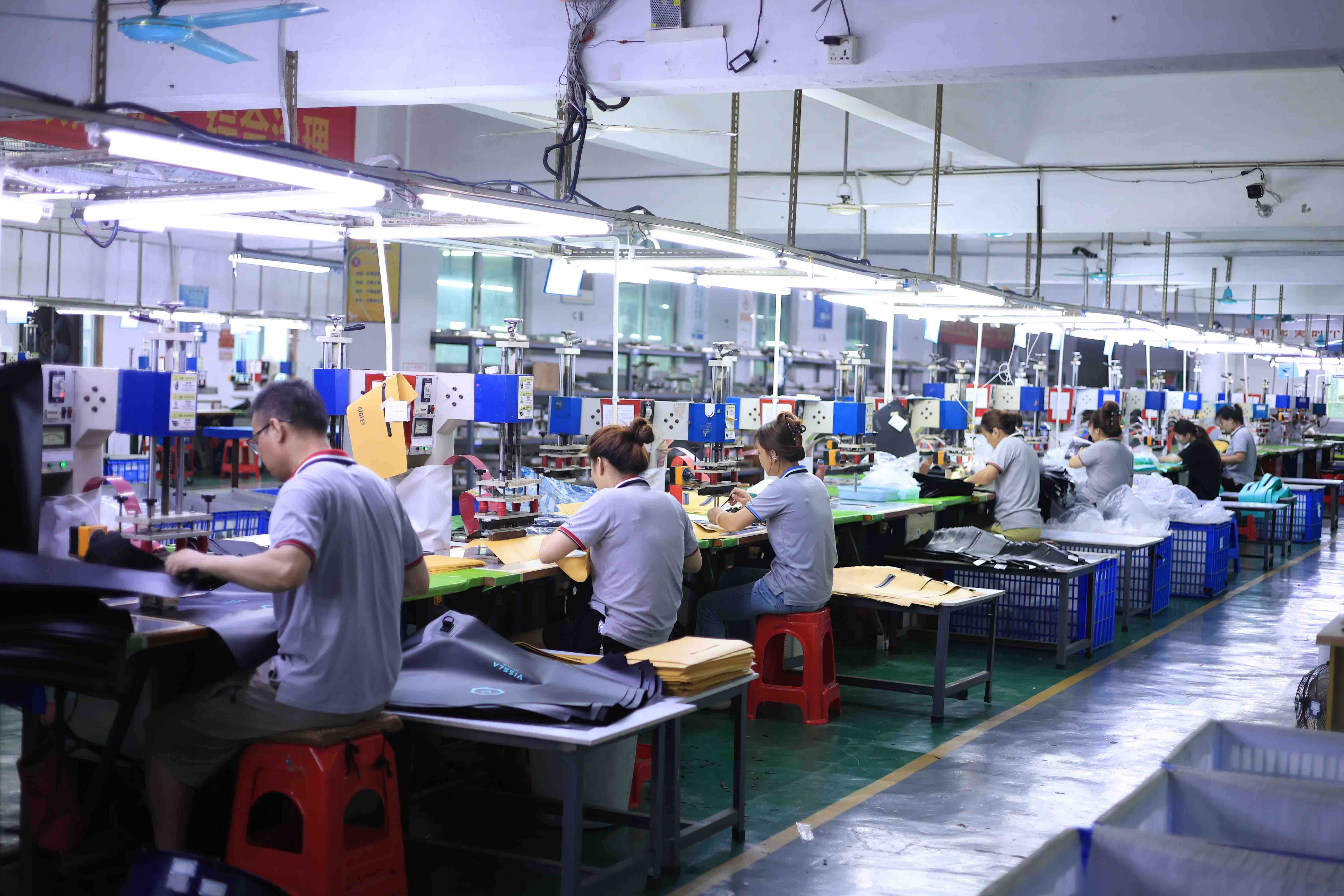
Figure 3: Sealock production line equipped for high frequency welding waterproof products.
Precision Welding Dies: The Key to Consistent Seam Quality
In HF welding production, the welding die directly influences seam appearance, strength, and consistency.
Sealock uses precision-engineered brass welding dies designed according to each product structure. The die controls welding pressure distribution and ensures that every seam receives uniform electromagnetic energy.
This is especially important for complex waterproof products with:
- Curved seams
- Multiple fabric layers
- Reinforced stress areas
- Transparent TPU windows
- Heavy-duty 840D TPU materials
Compared with manual bonding methods, precision HF welding dies improve repeatability during mass production and reduce variations between samples and bulk orders.

Figure 4: Custom brass welding dies ensure stable HF welding performance.
Quality Control System: From Material Inspection to Real-World Simulation Testing
Waterproof performance is only one part of product reliability. Professional outdoor equipment must withstand repeated use, transportation impact, mechanical stress, environmental exposure, and long-term wear.
At Sealock, quality control covers the complete manufacturing process, from incoming material inspection to final product simulation testing. Our testing system evaluates waterproof performance, seam strength, durability, appearance stability, and transportation reliability.
1. Hydrostatic Pressure Testing
Hydrostatic pressure testing evaluates whether welded seams can withstand external water pressure under controlled conditions.
This test is especially important for dry bags, waterproof backpacks, diving bags, and marine equipment where continuous water exposure is expected.
- Verification of HF welded seam waterproof performance
- Detection of potential leakage points
- Validation for professional outdoor applications


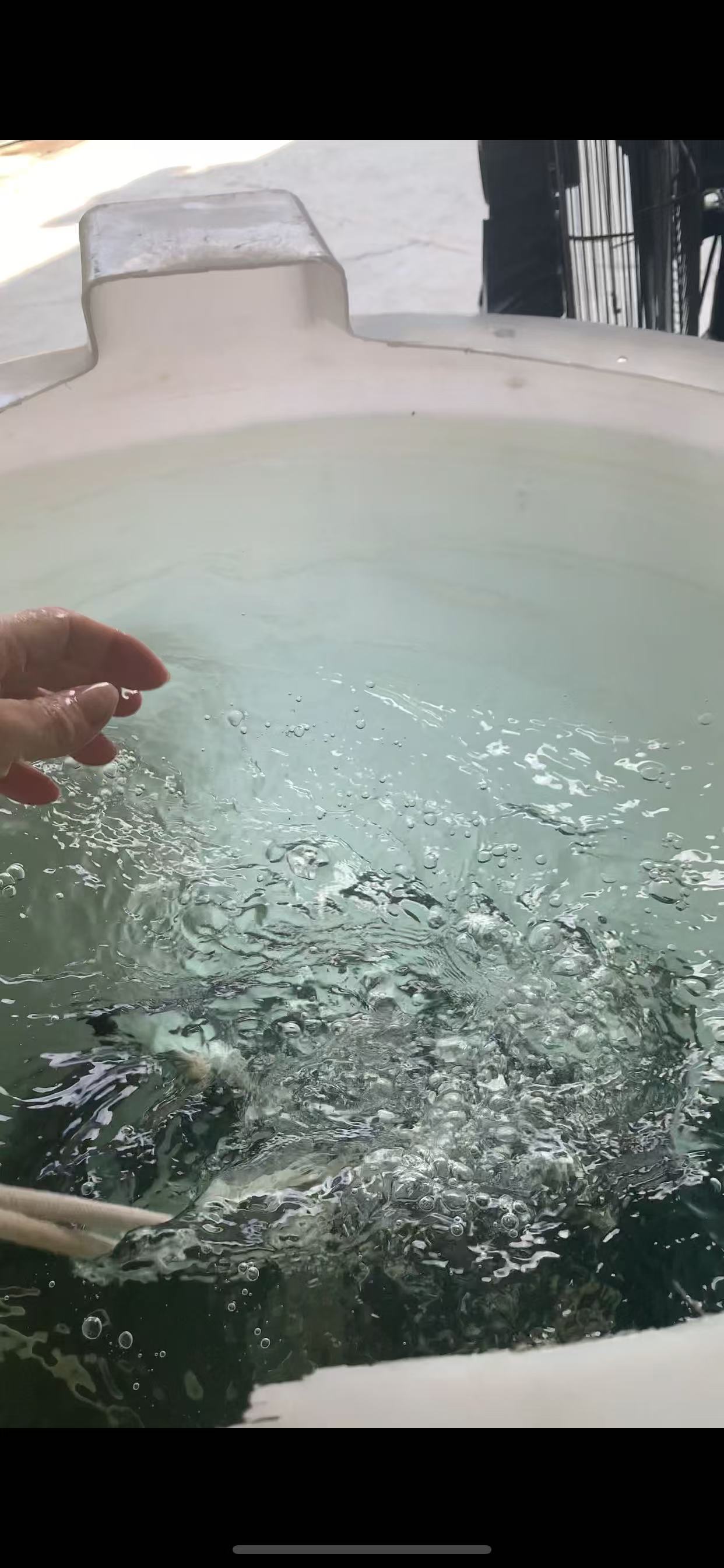
Figure5: Hydrostatic pressure testing verifies waterproof seam reliability.
2. Seam Peel Strength Testing
Peel testing is a destructive test used to evaluate the bonding strength of HF welded seams.
During testing, welded layers are separated under controlled force to analyze bonding quality. A high-quality welded structure should maintain strong seam adhesion and may result in failure occurring in the base material rather than the welded area.
- Evaluates welding strength consistency
- Verifies production parameter stability
- Supports OEM quality documentation requirements


Figure 6: Destructive peel testing evaluates HF welded seam strength.
3. Zipper Reciprocating Durability Testing
For waterproof bags with zipper structures, zipper durability is critical. Repeated opening and closing can create mechanical stress around zipper tracks and waterproof sealing areas.
Sealock performs zipper reciprocating tests to evaluate long-term zipper performance and ensure smooth operation after repeated cycles.
- Zipper opening and closing durability
- Slider movement consistency
- Zipper connection strength
- Waterproof zipper area reliability
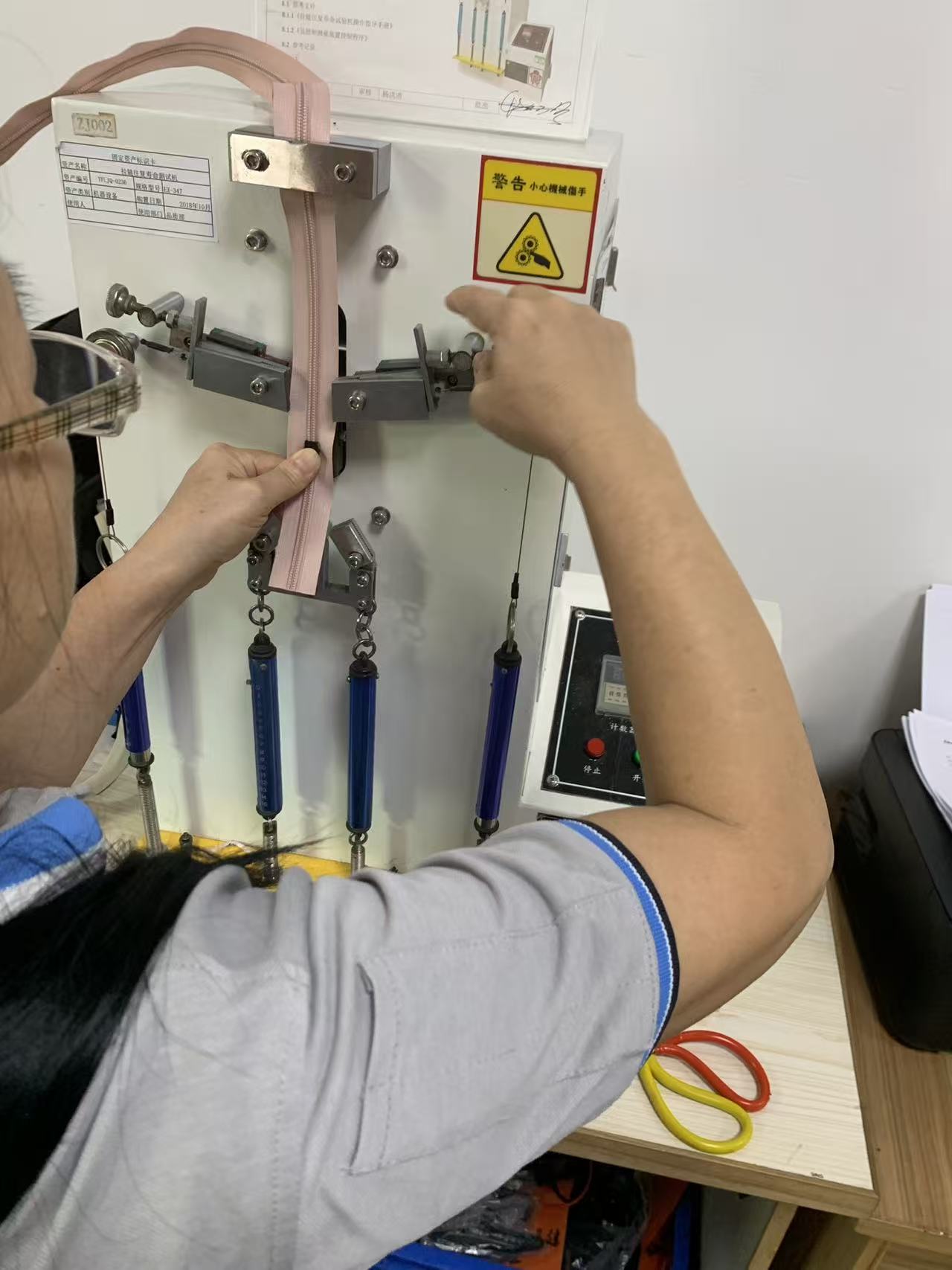
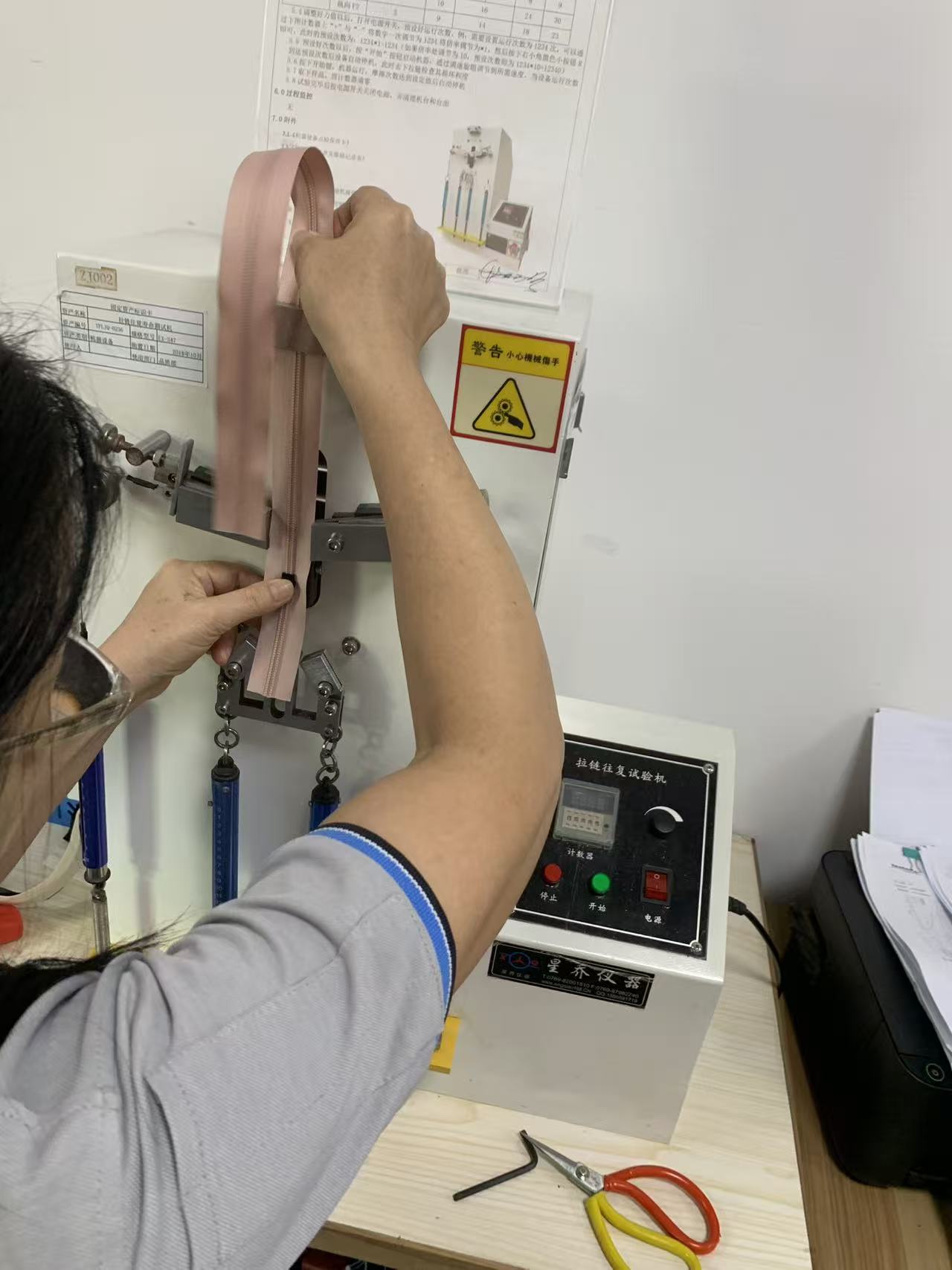
Figure 7: Destructive peel testing evaluates HF welded seam strength. Figure: Zipper reciprocating testing simulates repeated opening and closing cycles to evaluate zipper durability.
4. Color Fastness Testing
Outdoor products are frequently exposed to sunlight, rain, water, and friction. Color stability is essential for maintaining product appearance throughout the product lifecycle.
Color fastness testing evaluates whether fabrics maintain their original appearance after exposure to different conditions.
- Resistance to rubbing
- Resistance to water exposure
- Color transfer evaluation
- Long-term appearance stability

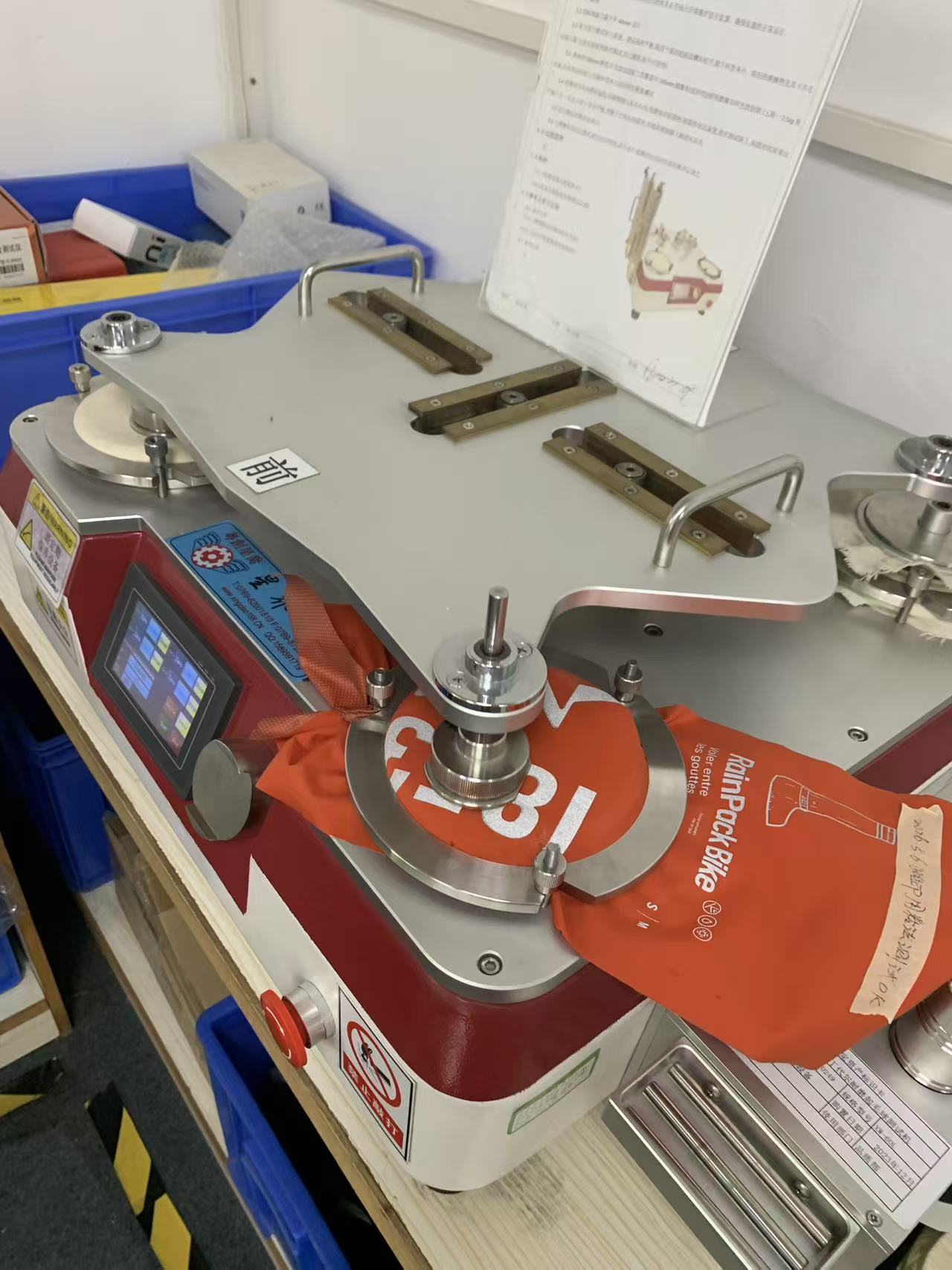
Figure 8: Color fastness testing evaluates fabric color stability against rubbing, water exposure, and daily outdoor use.
5. Bag Load Bearing Test
Waterproof bags used for outdoor activities often carry heavy equipment. Load bearing testing verifies the strength of handles, shoulder straps, connection points, and reinforced stress areas.
The test simulates real customer usage scenarios, including carrying camping equipment, fishing tools, diving equipment, and travel items.
- Handle strength testing
- Shoulder strap durability evaluation
- Buckle and attachment point inspection
- Stress area reinforcement verification
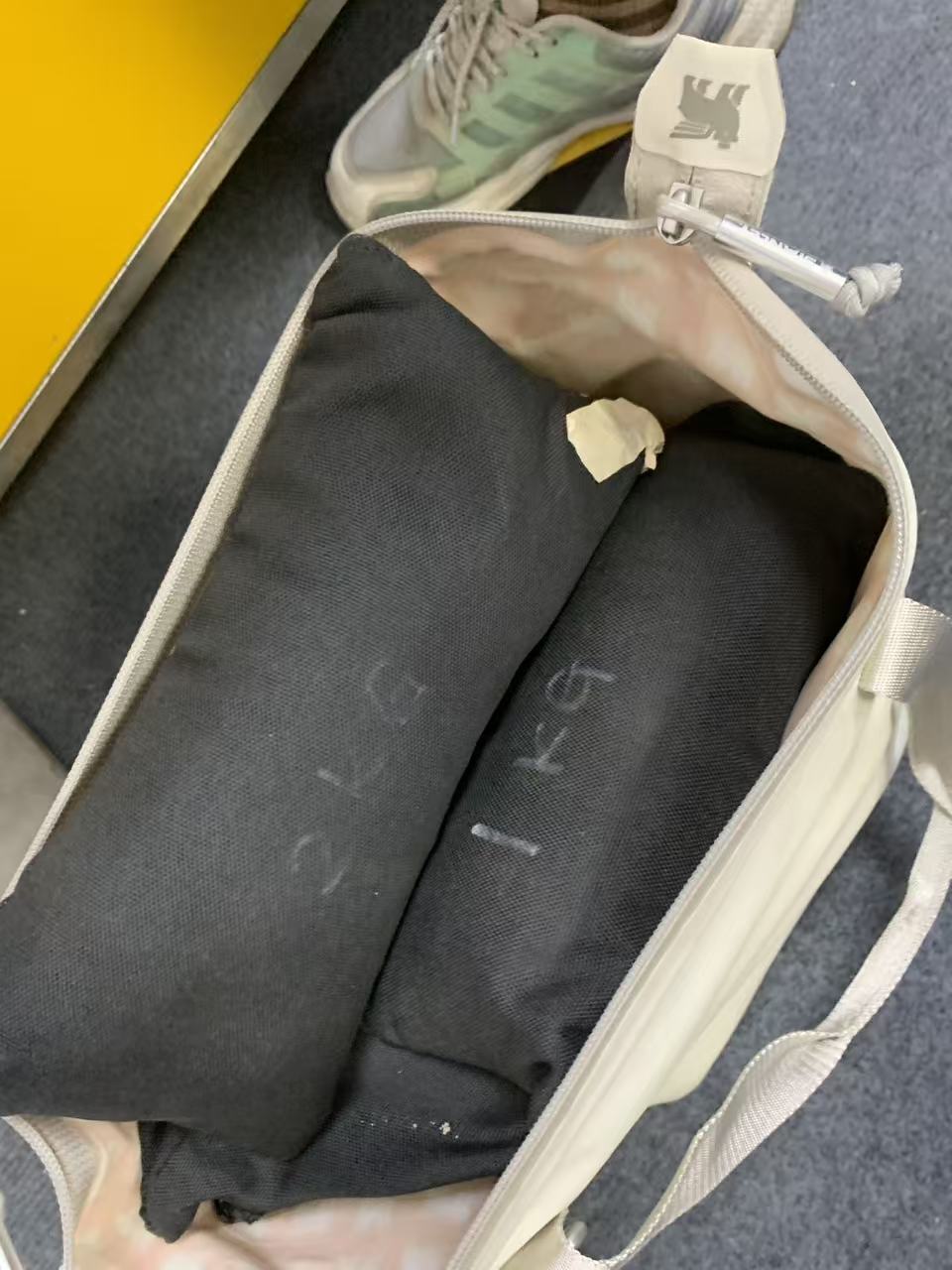
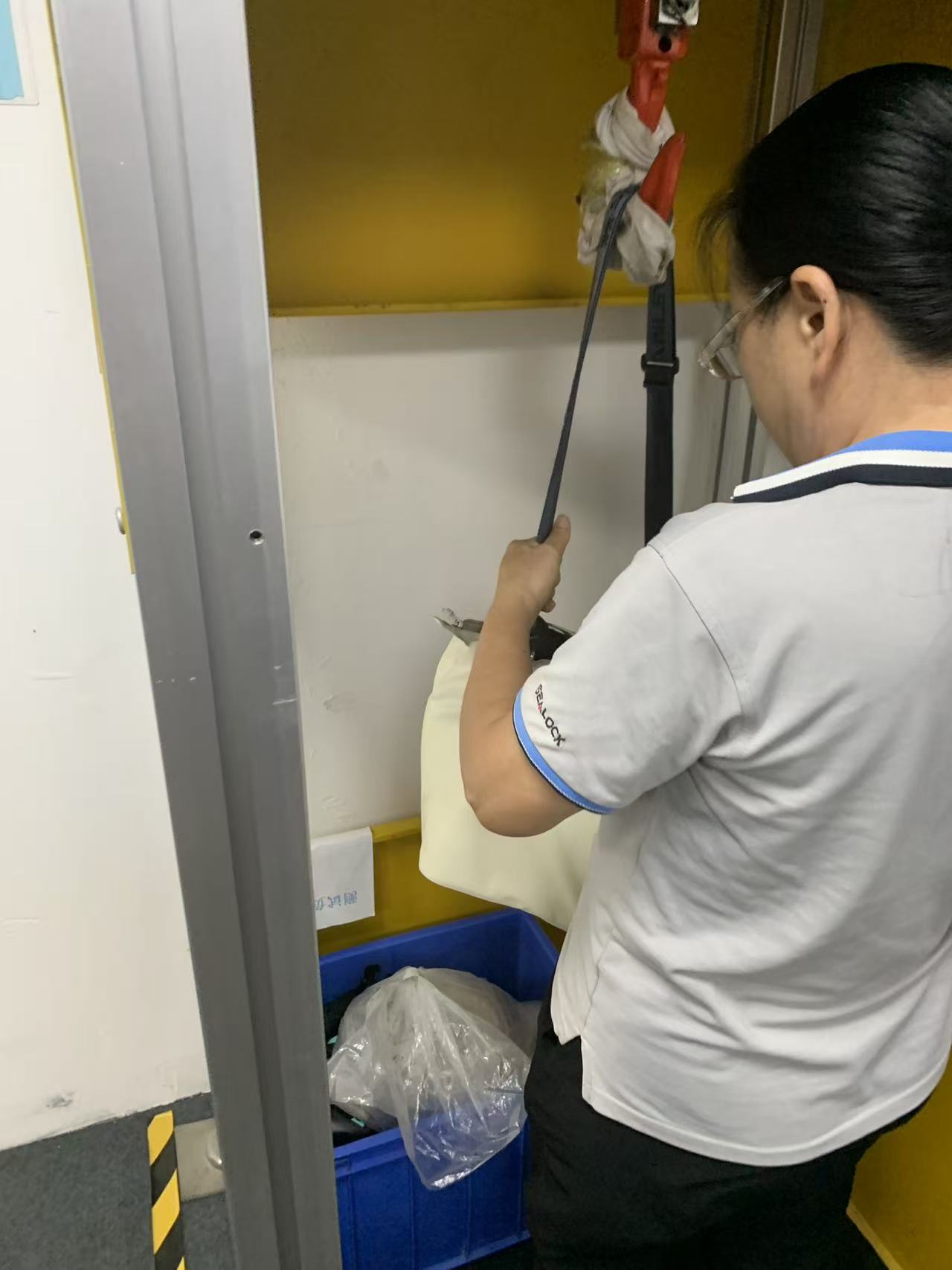

Figure 9: Load bearing testing verifies the strength of handles, shoulder straps, buckles, and reinforced stress areas.
6. Simulated Transportation Vibration Testing
During international shipping, products experience vibration, compression, and repeated impact. Transportation simulation testing helps identify potential damage before products reach customers.
Sealock evaluates product packaging and structural durability through simulated transportation conditions to reduce risks during global logistics.
- Carton vibration simulation
- Product structure stability evaluation
- Packaging protection verification
- Pre-shipment reliability assessment

Figure 10: Transportation vibration testing simulates real logistics conditions to evaluate product and packaging durability.
7. Salt Spray Corrosion Testing
For marine and coastal applications, waterproof equipment is exposed to salt water environments. Salt spray testing evaluates corrosion resistance of metal components and hardware.
This testing helps ensure durability for products used in:
- Diving
- Kayaking
- Boating
- Fishing
- Marine outdoor activities
Tested components may include:
- Zippers
- Buckles
- Metal hooks
- Adjustment hardware
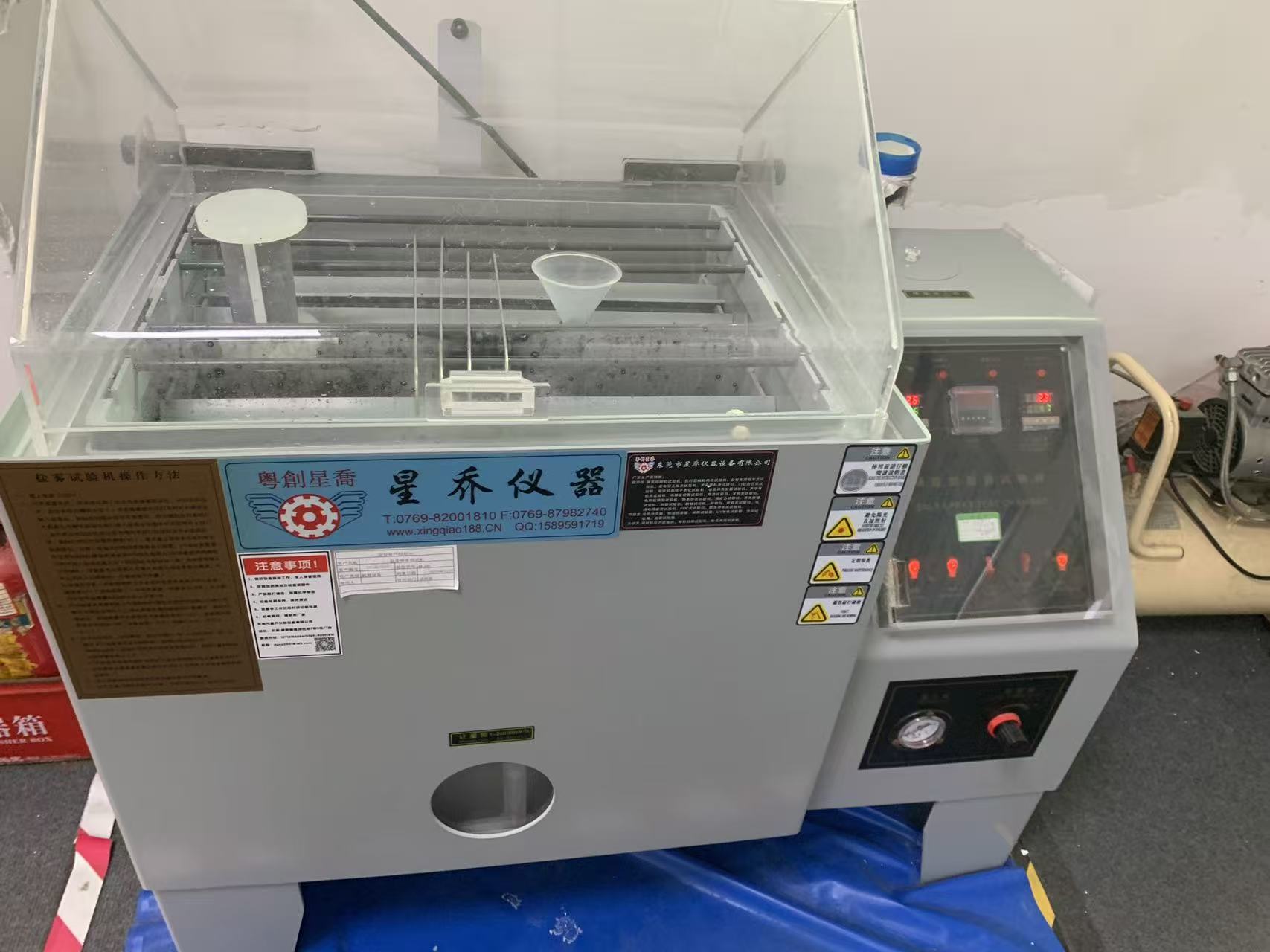
Figure11: Salt spray corrosion testing for waterproof bag metal hardware and marine accessories
Complete Product Reliability Testing System
| Test Category | Purpose |
|---|---|
| Waterproof Testing | Verify welded seams and waterproof construction |
| Peel Strength Testing | Evaluate HF welding bonding strength |
| Zipper Durability Testing | Verify repeated opening and closing performance |
| Load Bearing Testing | Test carrying capacity and reinforcement strength |
| Transportation Simulation | Ensure products survive global shipping conditions |
| Salt Spray Testing | Evaluate corrosion resistance in marine environments |
China-Vietnam Manufacturing Network for Global Supply Stability
Global brands increasingly require flexible supply chains, stable quality, and competitive manufacturing solutions.
Sealock operates a China-Vietnam production strategy, allowing customers to select suitable manufacturing locations based on market requirements, logistics planning, and supply chain considerations.
Both production locations follow unified HF welding standards, including:
- Same welding process documentation
- Standardized quality inspection procedures
- Controlled production parameters
- Consistent material requirements
This approach helps international customers maintain product consistency while improving supply chain flexibility.
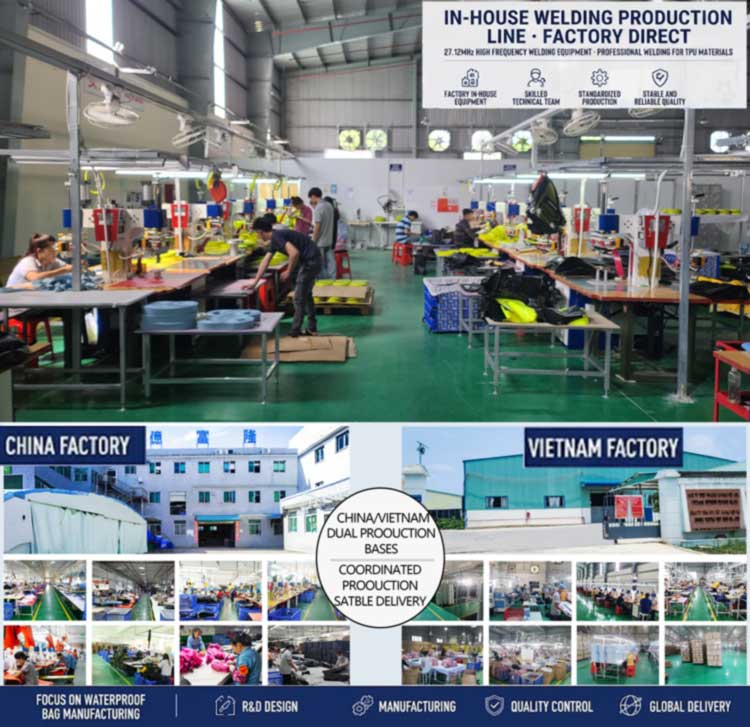
Figure 12: Sealock's global manufacturing capability supports international waterproof bag programs.
Quality Management System and Certifications
Professional waterproof products require responsible manufacturing practices. Sealock integrates quality management throughout product development, production, and shipment.
Our manufacturing system supports compliance requirements commonly requested by international outdoor brands.
- ISO 9001 Quality Management System
- SMETA Social Compliance Audit
- HIGG Sustainability Assessment
- SCAN Security Compliance
- BSCI Factory Assessment
- GRS Material Certification Support
These certifications help global customers evaluate production transparency, responsible manufacturing practices, and long-term supplier reliability.
OEM & ODM High Frequency Welding Solutions
Every waterproof product has different application requirements. Whether you need a custom dry bag, waterproof backpack, cooler bag, or industrial waterproof equipment, Sealock provides complete HF welding OEM and ODM manufacturing support.
Our engineering team works with global brands from initial concept development to final mass production, ensuring that material selection, welding structure, and waterproof performance meet the intended application.
Complete Custom Manufacturing Process
| Stage | Engineering Support |
|---|---|
| 1. Product Concept Review | Analyze product usage, waterproof requirements, materials, and structure. |
| 2. Material Selection | Recommend TPU, PVC, coated fabrics, and reinforcement solutions. |
| 3. Prototype Development | Create samples using production-level HF welding processes. |
| 4. Welding Die Development | Develop customized brass welding dies for stable mass production. |
| 5. Mass Production | Execute standardized HF welding and quality inspection procedures. |
Why Choose Sealock as Your HF Welding Manufacturer?
Choosing a waterproof bag supplier is not only about purchasing a finished product. It is about selecting a manufacturing partner that understands materials, welding technology, quality control, and long-term product reliability.
-
25+ Years Waterproof Product Manufacturing Experience
Deep experience in dry bags, waterproof backpacks, cooler bags, and outdoor equipment. -
Professional HF Welding Technology
27.12 MHz high frequency welding processes optimized for TPU and PVC materials. -
OEM & ODM Engineering Support
Support from product concept, structure design, prototype development, and mass production. -
Complete Quality Verification
peel testing, and waterproof inspection procedures. -
Flexible Global Production Capability
China and Vietnam manufacturing options for international supply chain requirements.
Frequently Asked Questions About 27.12 MHz HF Welding
Q1: What is 27.12 MHz HF welding used for?
A:
27.12 MHz HF welding is mainly used for joining thermoplastic materials such as TPU and PVC. It is widely applied in waterproof bags, dry bags, inflatable products, medical products, and technical outdoor equipment.
Q2: Is HF welding better than sewing for waterproof bags?
A:
Yes. Sewing creates needle holes that may become potential leakage points. HF welding creates a continuous bonded seam without penetrating the material structure, making it more suitable for waterproof applications.
Q3: Can HF welding be used with TPU materials?
A:
Yes. TPU is one of the most suitable materials for HF welding because it contains polar molecular structures that respond effectively to high-frequency electromagnetic energy.
Q4: What TPU materials can you weld?
A:
Sealock works with various TPU structures including 420D TPU, 600D TPU, 840D TPU composite fabrics, TPU mesh, and transparent TPU materials.
Q5: Can your welded waterproof bags pass pressure testing?
A:
Yes. Products can be evaluated through waterproof inspections including air leakage testing depending on customer requirements.
Q6: Do you provide OEM waterproof bag development?
A:
Yes. We support OEM and ODM projects from design review, material selection, prototype development, welding die creation, and mass production.
Q7: What is the MOQ for custom HF welded bags?
A:
MOQ depends on product structure, material requirements, and customization level. Our engineering team can recommend suitable production solutions based on project requirements.
Q8: How long does sample development take?
A:
Typical waterproof bag samples can be developed within approximately 7–15 days depending on product complexity and material availability.
Q9: Can you provide testing reports for welded seams?
A:
Yes. We can provide relevant quality verification information including seam strength evaluation and waterproof testing results according to project requirements.
Q10: What industries use HF welded waterproof products?
A:
Applications include outdoor sports, kayaking, diving, fishing, motorcycle equipment, marine activities, travel, and professional expedition markets.
Work With a Professional HF Welding Waterproof Bag Manufacturer
Looking for a reliable manufacturing partner for TPU waterproof bags, dry bags, or custom welded outdoor equipment?
Sealock provides professional 27.12 MHz HF welding technology, OEM/ODM development, and complete waterproof manufacturing solutions for global brands.
Request Technical Consultation | Explore Waterproof Product Solutions