
- English
- Español
- Português
- русский
- Français
- 日本語
- Deutsch
- tiếng Việt
- Italiano
- Nederlands
- ภาษาไทย
- Polski
- 한국어
- Svenska
- magyar
- Malay
- বাংলা ভাষার
- Dansk
- Suomi
- हिन्दी
- Pilipino
- Türkçe
- Gaeilge
- العربية
- Indonesia
- Norsk
- تمل
- český
- ελληνικά
- український
- Javanese
- فارسی
- தமிழ்
- తెలుగు
- नेपाली
- Burmese
- български
- ລາວ
- Latine
- Қазақша
- Euskal
- Azərbaycan
- Slovenský jazyk
- Македонски
- Lietuvos
- Eesti Keel
- Română
- Slovenski
- मराठी
- Srpski језик

What Happens Between Your Deposit and Your Container
Sealock produces waterproof bags for OEM and wholesale buyers from factories in China and Vietnam, with bulk production running 30–45 days after sample approval. Most sourcing advice covers how to choose a factory and how to inspect goods before shipment. The weeks in between get almost no attention, which is why buyers spend them sending "any update?" emails and receiving "production is going well" in return. This sets out what actually happens in those weeks, which milestones to track, and the questions that produce real answers.
1. The Worst Day to Discover a Delay
There is a simple principle worth building a tracking habit around: the worst time to find out an order is late is the day the factory originally promised to finish it. By then freight is booked, customers have been told, and stock plans are already built on a date that no longer exists.
Tracking is not about sending more messages. It is about agreeing in advance which checkpoints will be confirmed, so that a slip at week two surfaces at week two rather than at week six. A factory genuinely on schedule finds this easy. One that resists specific milestone confirmation is telling you something before any delay appears.
2. The Five Milestones Worth Confirming
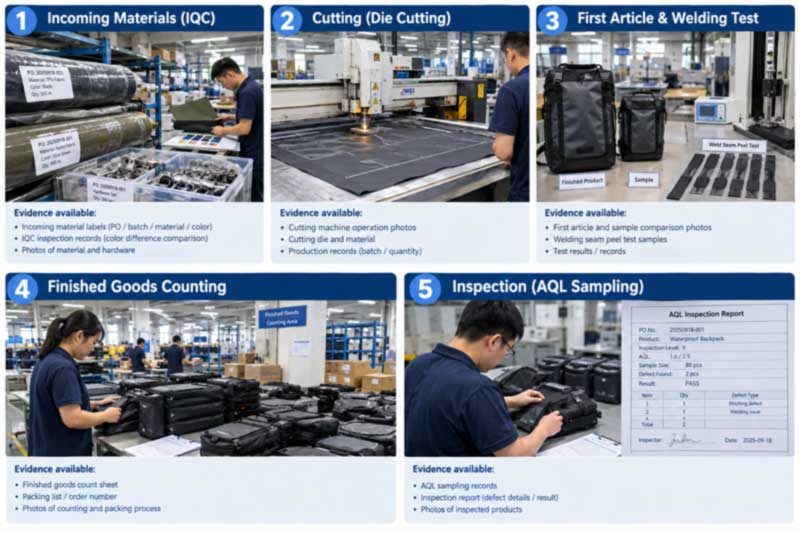
Rather than asking when goods will ship, follow progress at each stage. On a waterproof bag order the meaningful checkpoints are:
| Milestone | What it confirms | Evidence to request |
|---|---|---|
| Materials arrived and inspected | Fabric, zippers, hardware in house and passing IQC | Photos of the rolls and hardware with the order reference; confirmation of shade against the approved standard |
| Cutting started | Panels being cut to the approved pattern | Line photos; confirmation that pattern version matches the approved sample |
| First article approved | The first production unit matches the gold sample | Photos or a shipped first-article unit; weld peel test result from run start |
| Production complete | Quantity finished, before packing | Count confirmation and in-line QC records |
| Inspection passed | Goods verified against the agreed AQL and tests | Inspection report — the document the balance payment is tied to |
The value of naming these at order confirmation rather than mid-production is that each one has a date attached. A missed milestone then becomes visible immediately rather than being absorbed silently into the schedule.
3. Ask Specific Questions, Get Specific Answers
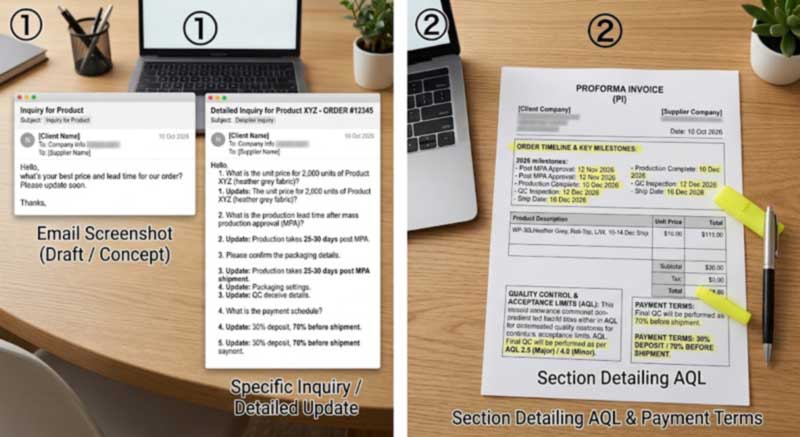
This is the single most useful habit a buyer can adopt, and it costs nothing. Compare:
- "Will you make the deadline?" — invites a reassuring answer that carries no information.
- "What percentage of materials are confirmed in house?" — has one true answer, and it either matches the schedule or it does not.
Other questions with the same property: how many units are cut, how many welded, how many assembled, what date will the first article be ready, which date is the inspection booked for. Vague questions get vague answers; specific questions expose problems early enough to solve them.
A related signal worth watching: updates that become less specific over time. A supplier who was giving unit counts and now says "everything is on track" has usually hit a problem it is trying to recover from before telling you. That shift in language is often the earliest warning available.
4. Where Waterproof Bag Orders Actually Slip
Delays in this category concentrate in predictable places, and knowing them tells you what to check:
- Material readiness. The most common cause across manufacturing generally, and particularly relevant here — a custom Pantone dye run has its own lead time, and a specialised airtight zipper is a single-source component. Confirm both are in house before assuming production has started.
- Late specification changes. Changes after production begins force a stop, a retool, or rework of completed units. Every revision after the start adds time, which is why resolving detail during sampling is not bureaucracy but schedule protection.
- Tooling for new geometries. A new welded shape needs its own machined die before sampling, so it sits ahead of production rather than inside it.
- Holiday periods. Chinese New Year compresses schedules on both sides of the break, and quality often suffers as factories rush to finish before shutdown — which is exactly when third-party inspection before goods leave is most worth booking.
- Queue position. Capacity is rarely the constraint; scheduling is. Sharing a forecast early secures a slot rather than joining a queue.
5. What to Put in the Order, Not the Follow-Up Email
Tracking works better when the terms are agreed at the start. Worth including in the purchase order or pro forma invoice:
- The milestone dates from section two, each with a confirmation method.
- Inspection rights at named stages, with clear acceptance criteria — the AQL level, defect classification, and the reference sample.
- Payment linked to progress. The standard structure is 30% deposit with the 70% balance released against a passed pre-shipment inspection, which keeps the inspection commercially meaningful rather than advisory.
- A stated remedy for late delivery, where the programme is date-critical. Contracts in this space commonly include a modest penalty per week of delay; whether it is worth negotiating depends on what a late arrival costs you.
- Buffer. Backdate from your required in-hand date through production, inspection, and ocean transit, then add margin. For seasonal programmes, plan months ahead rather than weeks.
6. How Production Actually Runs Here
For context on what is happening during those weeks, a waterproof bag moves through a fixed sequence:
- Material staging and IQC — fabric rolls checked for coating consistency, thickness, and shade against the approved standard; zippers and hardware verified.
- Cutting — panels cut to the approved pattern, where dimensional accuracy is set and cannot be corrected later.
- Branding — logos applied to flat panels while they are still accessible.
- Sub-assembly and structural sewing — pockets, harnesses, and reinforcement built and attached on flat panels, before any waterproof seal exists.
- High-frequency welding at 27.12 MHz, with peel tests pulled on sample welds at run start to confirm full fusion before the batch proceeds.
- Cooling, trimming, final assembly — closures, buckles, straps, and valves fitted.
- Testing — immersion or rain testing to each model's stated rating, load cycling at anchors, and the customer inspection procedure where specified.
- Drying, packing and carton marking to the agreed specification.
The full technical sequence is set out in the guide to the manufacturing process from cutting to RF welding.
7. Independent Verification Beats Self-Reported Progress
Factory updates are useful but they are self-reported. Where an order is large or date-critical, an independent check converts a claim into a fact — a during-production inspection at roughly 20–30% completion catches fundamental problems while the run can still be corrected, and a final inspection before shipment verifies the finished goods.
Buyers are welcome to appoint their own inspector or a third party such as SGS or QIMA at either site. The full customer inspection procedure — unboxing, vacuum extraction, a 24-hour static rest, and air-leak determination — can be witnessed end to end. Standards and defect classifications are set out in the quality control standards for waterproof production, and how to arrange an on-site visit in the guide to factory audits.
8. After the Container Sails
One habit that separates buyers who improve from those who repeat the same problems: a short post-order review once the goods have shipped. Walk the timeline milestone by milestone and ask where problems occurred, what the root cause was, how effective the fix was, and how it could be prevented entirely next time.
On a repeat programme this feeds directly into the next order — a component that caused a delay gets ordered earlier, a specification ambiguity that caused rework gets written into the standard pack, and the schedule gets adjusted to reflect what actually happened rather than what was planned. Keeping the fifth order as good as the first is covered in the guide to reorder consistency.
9. Standard Terms
Sealock (YiFuLong Outdoor Gear Co., Ltd.) has built waterproof bags for over 20 years, producing for international outdoor brands including OSPREY, KAILAS, Helly Hansen, SIMMS, ORVIS, and West Marine.
- MOQ: 300 pcs per model | Samples: 7–15 days | Bulk: 30–45 days after sample approval
- Payment: T/T 30% deposit, 70% balance against a passed pre-shipment inspection
- Production: in-house 27.12 MHz high-frequency welding and industrial sewing, separate workshops on the same production floor
- Facilities: Dongguan, China | Ho Chi Minh City, Vietnam — either origin on any model
- Inspection: buyer-appointed and third-party inspectors accepted at either site
- Certifications: ISO 9001, BSCI, SMETA, Sedex, HIGG, GRS, SCAN
10. Models Produced on This Schedule
Organized by category rather than priority:
| Image | Model | Category | Material | Rating | Product Page |
|---|---|---|---|---|---|
|
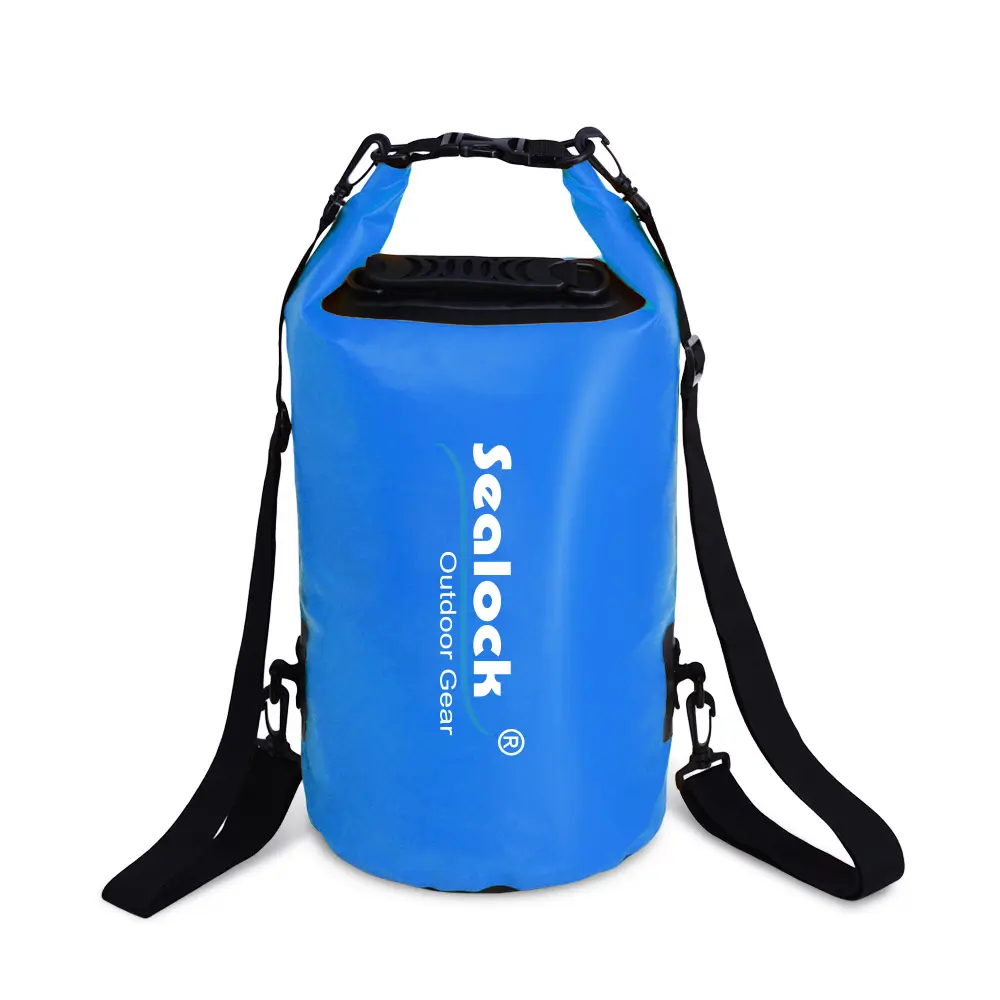
SL-D002 | Dry bag, 5–63L | 500D PVC | IPX7 | View |
|
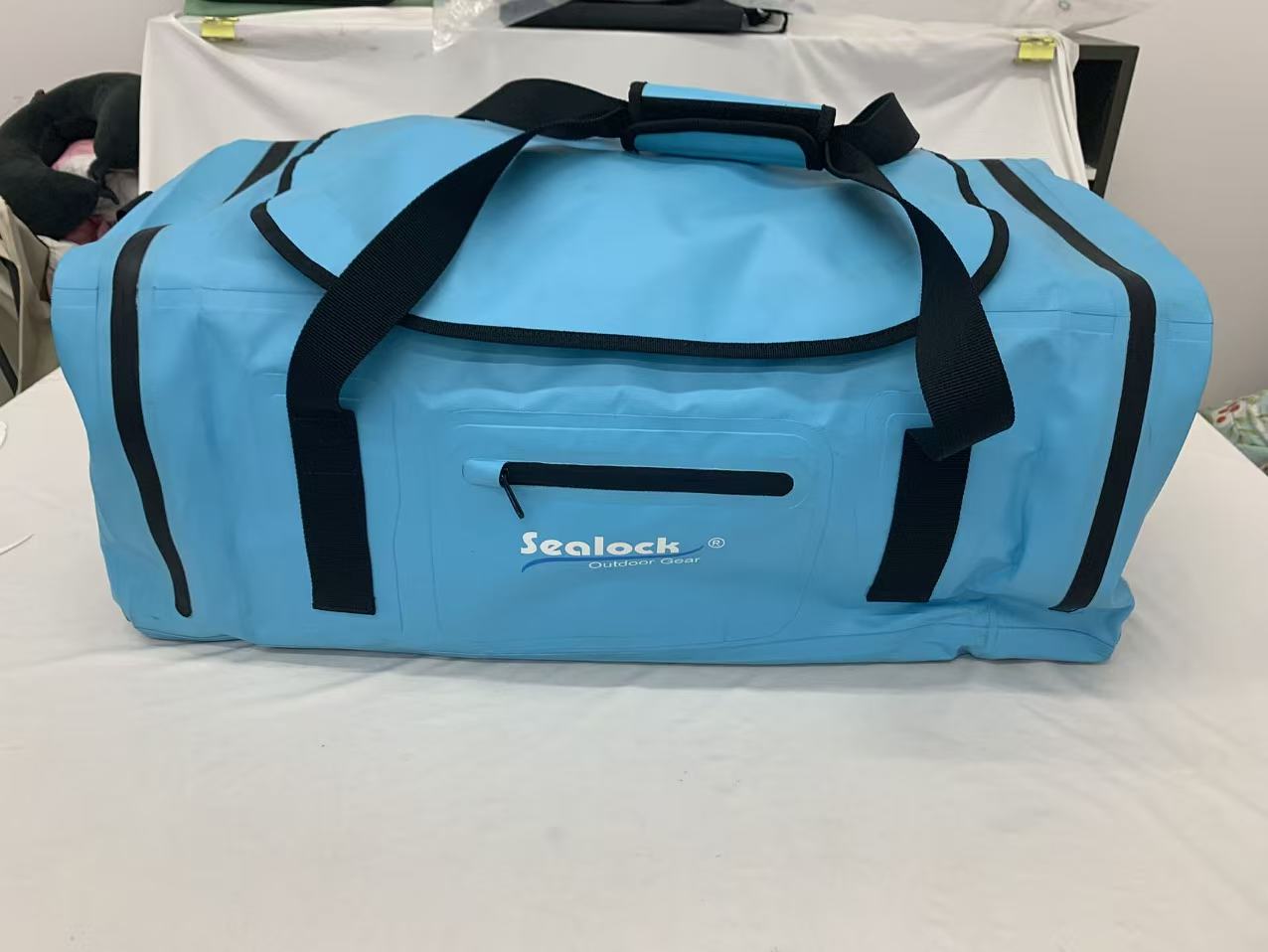
SL-C594 | Duffel, 55L | 500D PVC | IPX7 | View |

|
SL-E119 | Backpack, 20L | Cationic TPU composite | IPX8 | View |
|
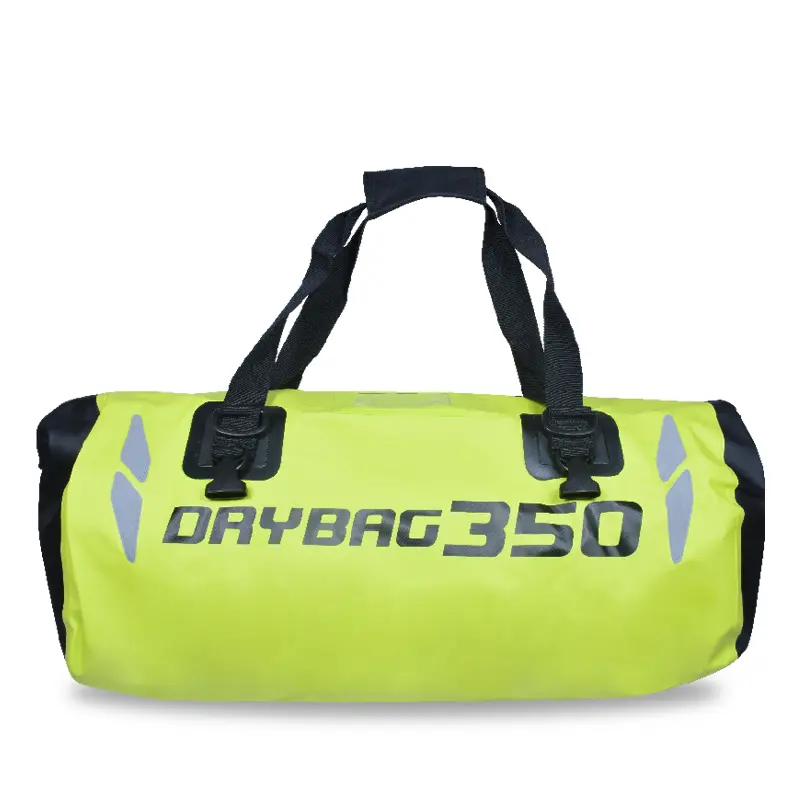
SL-C619 | Motorcycle, 35 / 50L | 500D PVC | IPX6 | View |
|
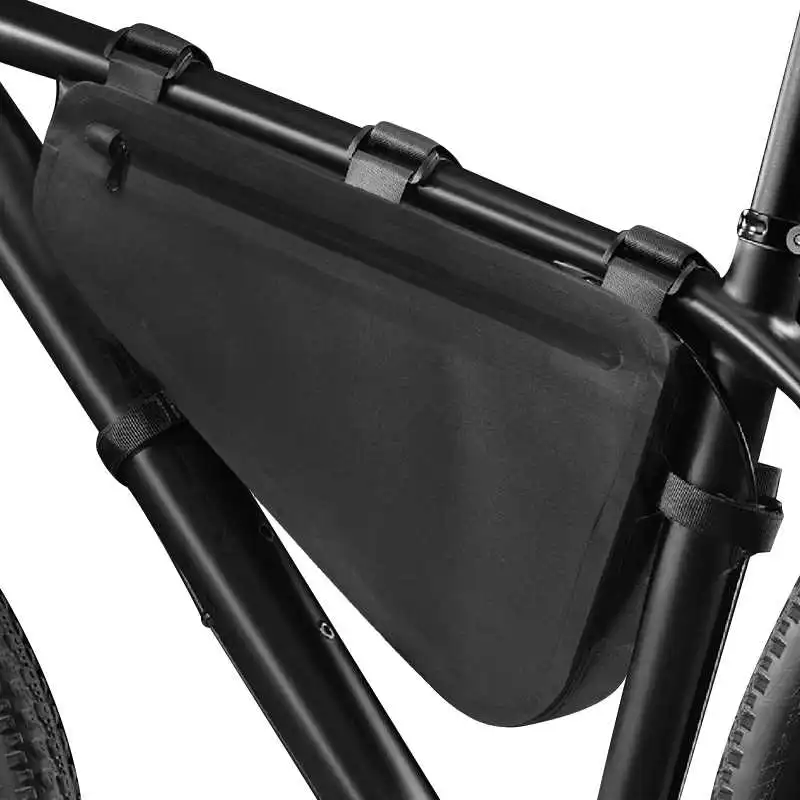
SL-K089-A | Bike frame bag | 600D TPU | Weather-rated | View |
|
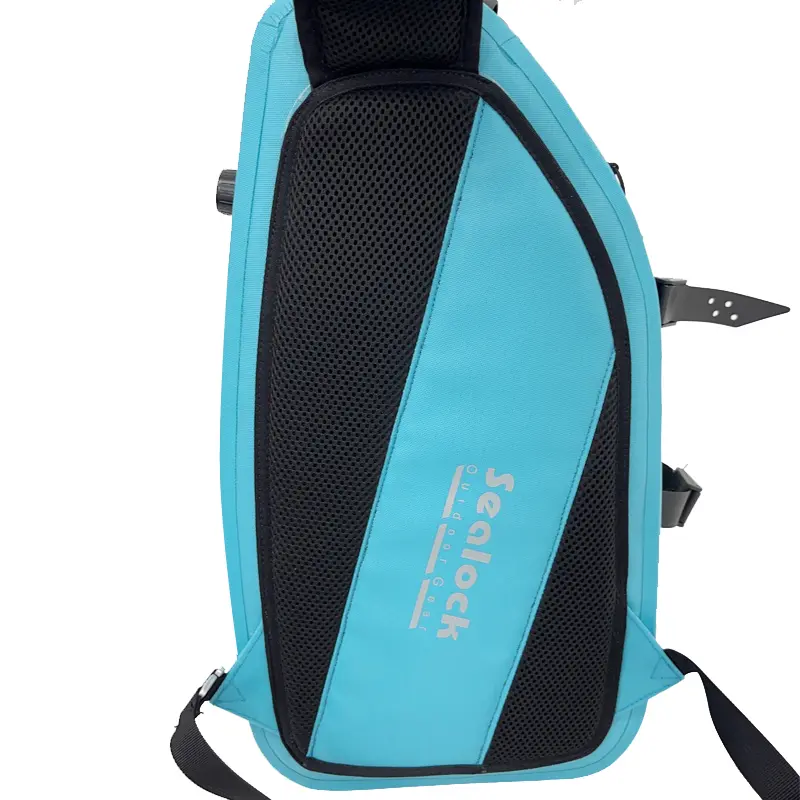
SL-E868A | Fishing sling, 12L | 840D TPU | IPX8 | View |
Full categories sit under waterproof bags, dry backpacks, and dry bags.
11. FAQ
Q: How often should we ask for updates during production?
A: Rather than a frequency, agree checkpoints. Materials in house, cutting started, first article approved, production complete, inspection passed — five confirmations with dates attached beats weekly emails asking how things are going, and it surfaces a slip when it happens rather than at the end.
Q: Our supplier says everything is on track but gives no detail. Is that a problem?
A: It is worth probing. Ask for a number rather than a status — what percentage of materials are confirmed, how many units are cut, what date is the first article ready. Updates that become less specific over time are often the earliest available warning that a schedule has slipped.
Q: What usually causes delays on a bag order?
A: Material readiness first — custom dye runs and specialised zippers have their own lead times. Then late specification changes, which force a stop or rework, tooling for new shapes, holiday shutdowns, and scheduling rather than capacity. Most are visible early if the milestones are being confirmed.
Q: Can we inspect during production rather than only before shipment?
A: Yes, and it is worth it on large or date-critical orders. An inspection at roughly 20–30% completion catches fundamental problems while the run can still be corrected; the pre-shipment inspection then verifies the finished goods. Buyer-appointed or third-party inspectors are accepted at either site.
Q: How do we protect a date-critical launch?
A: Backdate from your in-hand date through transit, inspection, and production, then add buffer — and share the launch date at enquiry so the schedule is built around it. Where lateness carries real cost, agree a remedy in the order rather than relying on goodwill after the fact.
Q: Does the 30/70 payment structure protect us?
A: It does when the balance is tied to a passed pre-shipment inspection rather than to a promise. That single term is what gives the inspection commercial force — no report, no balance, goods stay at the factory until rework is complete and a follow-up inspection passes.
Discuss Your Production Schedule
Send your required in-hand date along with quantity and specification, and we will schedule production and inspection milestones against it rather than quoting a lead time in isolation — submit an inquiry. Sealock responds to procurement enquiries within 24 hours, with production from Dongguan, China or Ho Chi Minh City, Vietnam.