
- English
- Español
- Português
- русский
- Français
- 日本語
- Deutsch
- tiếng Việt
- Italiano
- Nederlands
- ภาษาไทย
- Polski
- 한국어
- Svenska
- magyar
- Malay
- বাংলা ভাষার
- Dansk
- Suomi
- हिन्दी
- Pilipino
- Türkçe
- Gaeilge
- العربية
- Indonesia
- Norsk
- تمل
- český
- ελληνικά
- український
- Javanese
- فارسی
- தமிழ்
- తెలుగు
- नेपाली
- Burmese
- български
- ລາວ
- Latine
- Қазақша
- Euskal
- Azərbaycan
- Slovenský jazyk
- Македонски
- Lietuvos
- Eesti Keel
- Română
- Slovenski
- मराठी
- Srpski језик

Quality Control Standards for Waterproof Dry Bag Production
Sealock produces waterproof dry bags for OEM and wholesale buyers under a documented three-stage quality control system. Quality control on a waterproof product is different from general consumer goods inspection: a bag can pass a visual check perfectly and still fail the one thing it was bought to do. This sets out the standards that actually govern dry bag production — defect classification, AQL sampling, the tests that verify waterproofing, and what a buyer should write into the order before mass production starts.
1. Why Dry Bags Need Their Own QC Standard
A generic bag inspection checks stitching, hardware, measurements, logo, and packaging. All of that applies to a dry bag too — but none of it tests whether the bag keeps water out. Waterproof performance is created at the welding station, and a defective weld is invisible from the outside. That is why dry bag QC has to combine standard workmanship inspection with process control at the weld and functional testing of the finished seal. Skip any one of the three and defects reach the customer.
2. Defect Classification: Define It Before Production
The single most useful thing a buyer can do is agree a written defect classification before mass production. Without it, buyer and supplier disagree at final inspection about what counts as a reject, and the argument happens when the goods are already made. Industry practice classifies defects in three levels:
| Level | Definition | Dry bag examples |
|---|---|---|
| Critical | Safety hazard or regulatory violation — zero tolerance | Sharp edge on hardware; strap anchor that fails under rated load; missing or false compliance marking |
| Major | Affects function or would cause a return | Leaking seam or weld void; closure that will not seal; broken or seized buckle; wrong size or colour against the approved sample; incorrect labelling |
| Minor | Cosmetic, does not affect function | Slight colour variation within tolerance; small surface mark; minor logo misalignment; loose thread on a non-structural seam |
On bags specifically, the classification depends on where the defect sits rather than what it looks like: a loose thread on a pocket is minor workmanship, weak shoulder strap stitching is a major functional problem, and a sharp burr on a buckle can be a critical safety issue. For a waterproof product, any leak path — weld void, pinhole, unsealed window panel — is treated as major or critical, never cosmetic.
3. AQL Sampling: What the Numbers Mean
AQL (Acceptance Quality Limit) is the sampling method that decides whether a batch passes without inspecting every unit. It is defined in ISO 2859-1 and ANSI/ASQ Z1.4, and it works by drawing a sample size based on lot quantity and inspection level, then comparing defects found against acceptance limits.
The widely used defaults for general consumer goods are 0 for critical, 2.5 for major, and 4.0 for minor defects, with General Inspection Level II as the standard sampling level. AQL 2.5 means a lot is expected to contain no more than 2.5% defective units against the major-defect standard. Tighter numbers mean larger samples and stricter acceptance — worth applying selectively rather than across the board.
Two practical points buyers often miss. First, the AQL is a negotiated figure, not a law — it should reflect the product's risk and the market it sells into, and it is agreed between buyer and supplier before production. Second, AQL sampling happens at final inspection, which is too late to be the only control; it works alongside incoming material inspection, in-line checks, functional testing, and packaging verification.
4. The Three-Stage Control System
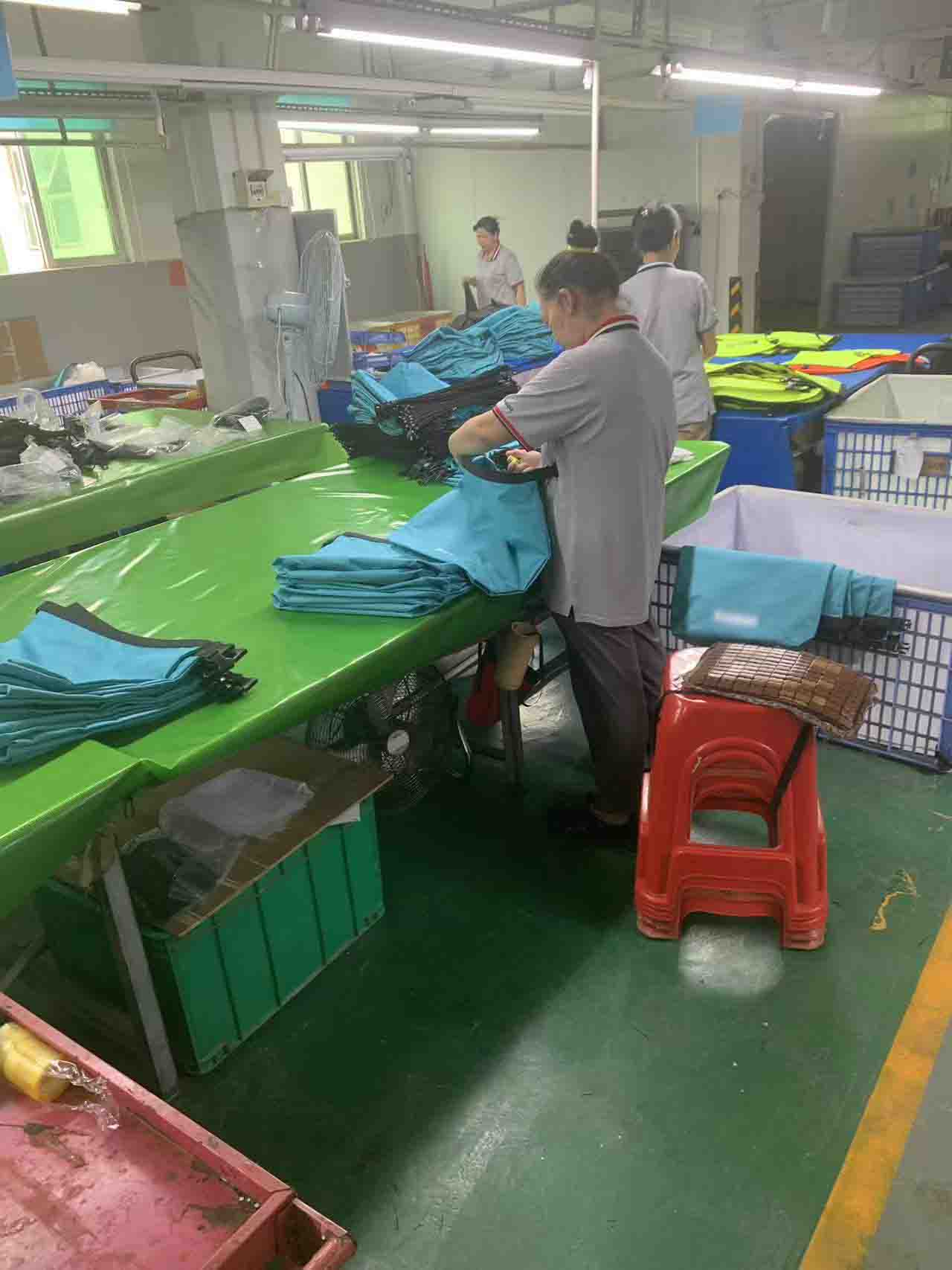
Sealock runs quality control across the production line rather than at the end of it:
- IQC — incoming quality control. Fabric rolls are checked for coating consistency, thickness, and colour against the approved standard; zippers, buckles, webbing, and valves are verified against specification. A bad roll stopped here never becomes a bad batch.
- IPQC — in-process quality control. Peel tests are pulled on sample welds at the start of every run to confirm the parameter set is producing full fusion, and welds, closure function, and logo application are sampled as the run proceeds. This is the stage that catches a drifting weld before hundreds of units are made.
- OQC — outgoing quality control. AQL sampling against the agreed defect classification, batch immersion testing, dimensional and colour checks, and comparison against the signed gold sample, followed by packing and carton verification.
Third-party pre-shipment inspection through SGS, QIMA, Bureau Veritas, or Intertek is available on request, and buyers are welcome to send their own inspector. This system applies at MOQ exactly as it does at volume — order quantity changes the economics, not the standard.
5. The Tests That Verify a Waterproof Claim
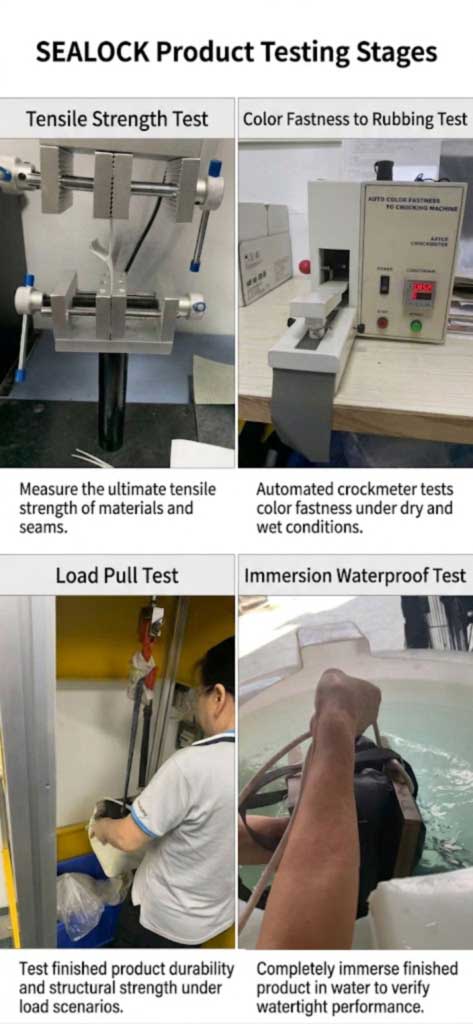
A stated IPX rating means nothing without a test behind it. The laboratory suite targets the failure modes that actually end a dry bag's service life:
| Test | Verifies |
|---|---|
| Full water immersion | Seam and closure integrity against the stated rating |
| Weld peel test (at run start) | Full fusion — a correct weld tears the base fabric rather than separating at the interface |
| Load test, 1,500+ cycles | Handles, straps, and D-ring anchors under repeated full load |
| Sealed-zipper cycling, 3,000 cycles | Zipper seal life on zippered models |
| Bonding strength | Weld and lamination resistance to separation under pressure |
| Tensile strength | Fabric performance at stress points |
| Salt spray | Hardware corrosion resistance in marine service |
| Friction resistance | Abrasion from dragging and handling |
| Colour fastness / colour difference | UV fading and batch-to-batch drift against the approved Pantone standard |
The load test matters more than buyers expect: on heavy-use bags, failure usually arrives mechanically — a strap tears or a buckle breaks — long before the fabric or weld gives out.
6. The Inspection Checklist for a Dry Bag Order
A workable pre-shipment checklist covers eleven areas. Anything not on the list will not be checked:
- Materials — fabric type, denier, coating thickness against specification
- Welded seams — continuity, width, no voids, no burn-through or thinning
- Waterproof function — immersion test on sampled units with the closure sealed
- Closure — roll-top stiffener seating and fold behaviour, or zipper operation and seal condition
- Hardware — buckle strength and operation, D-ring anchoring, valve function
- Straps and handles — attachment strength, webbing quality, adjustment function
- Dimensions and capacity — finished size and usable volume after closure, against tolerance
- Colour — against the approved Pantone reference and gold sample
- Logo and labelling — method, placement, adhesion, and required market markings
- Cleanliness — no residue, marks, or contamination inside the sealed body
- Packaging — polybag, hangtag, barcode, carton marks, quantity per carton
7. What the Buyer Should Fix Before Production
Most quality disputes trace back to something that was never written down. Before mass production, a buyer should have four things agreed in writing:
- A specification with tolerances — material and denier, finished dimensions and permitted variance, weld width, closure type and rating, hardware grade, colour standard, logo placement.
- The defect classification list — what counts as critical, major, and minor for this specific product.
- The AQL levels and inspection level — applied per defect class.
- A signed gold sample — one held by each side, as the physical reference every batch is judged against. This is what keeps a fifth order matching the first, and it is what protects a private label programme across reorders.
Where the product is built ground-up rather than from the catalogue, these documents are created during the OEM development and sampling process, so the approved sample and the inspection standard emerge together.
8. Products Built Under This System
Every model runs the same control system regardless of category. Representative range, organized by type rather than priority:
| Image | Model | Capacity | Material | Rating | Product Page |
|---|---|---|---|---|---|
|
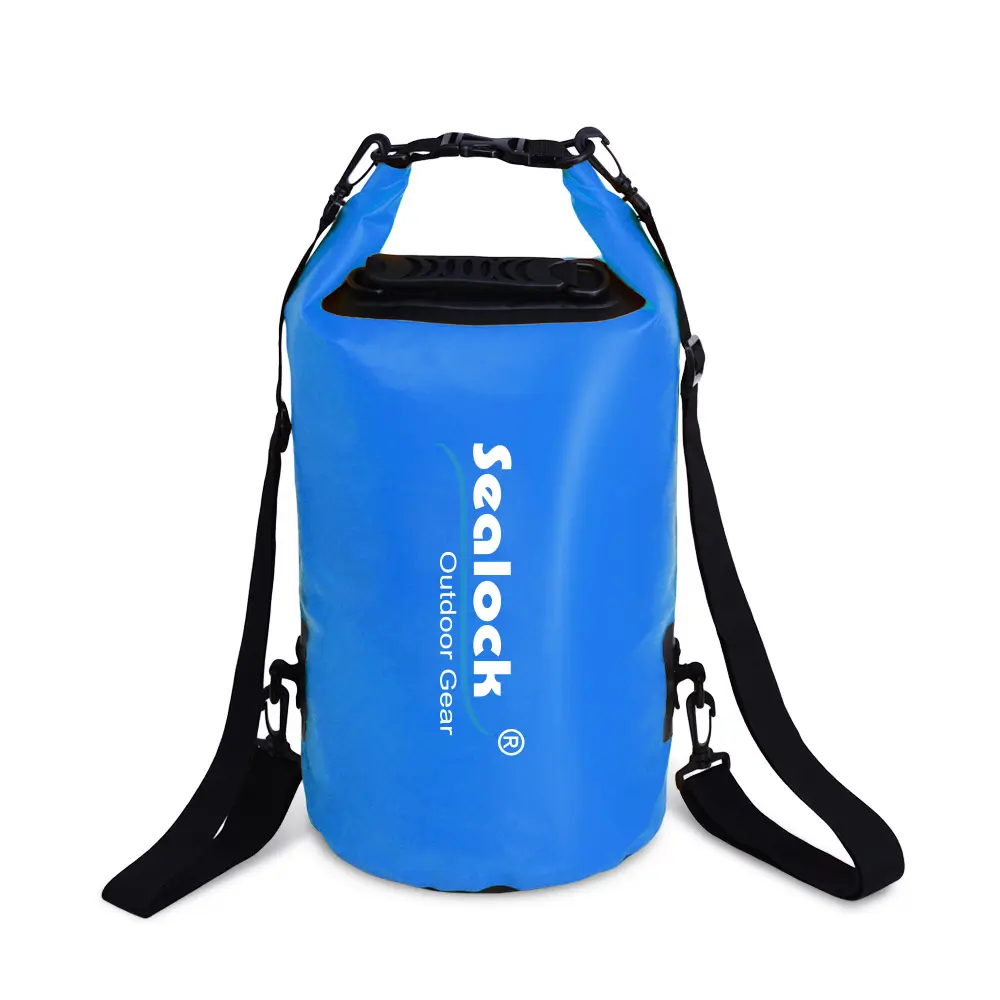
SL-D002 Dry Bag | 5–63L | 0.5 mm 500D PVC | IPX7 | View |
|
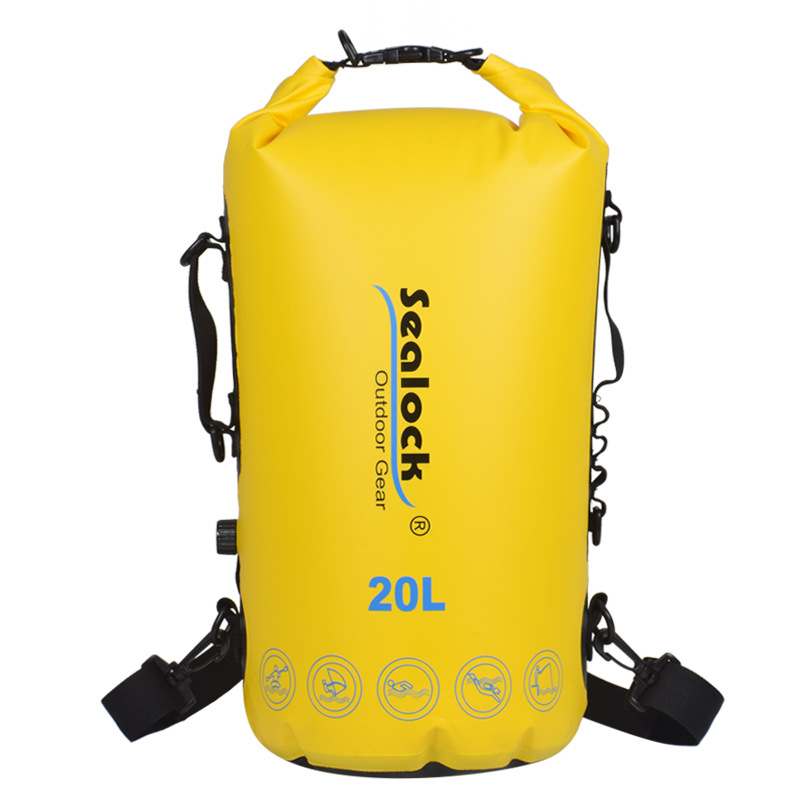
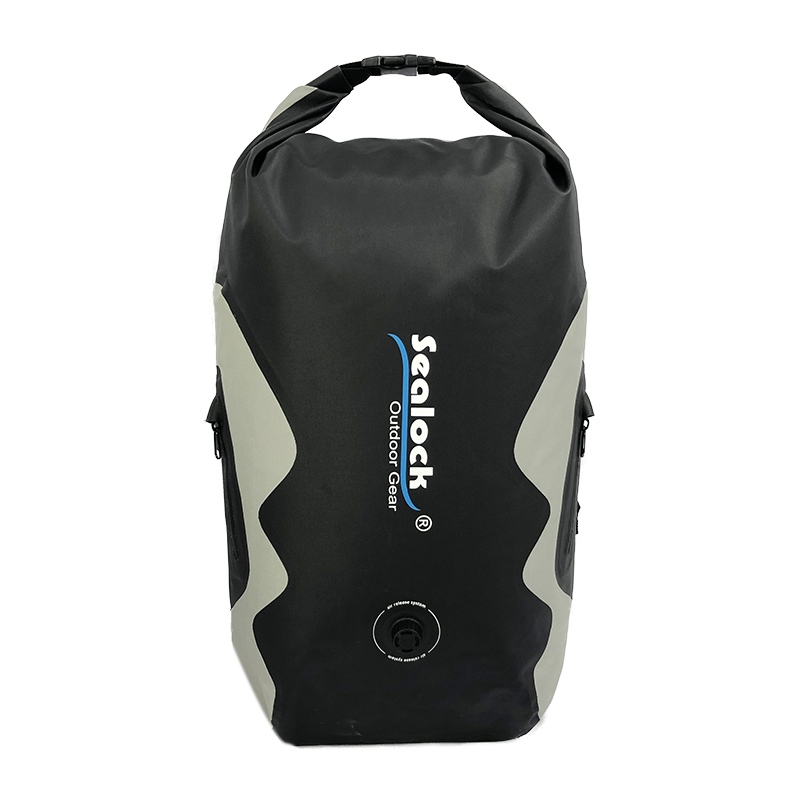
SL-E102 Backpack Dry Bag | 15 / 20L | 500D PVC, dual seal | IPX7 | View |
|
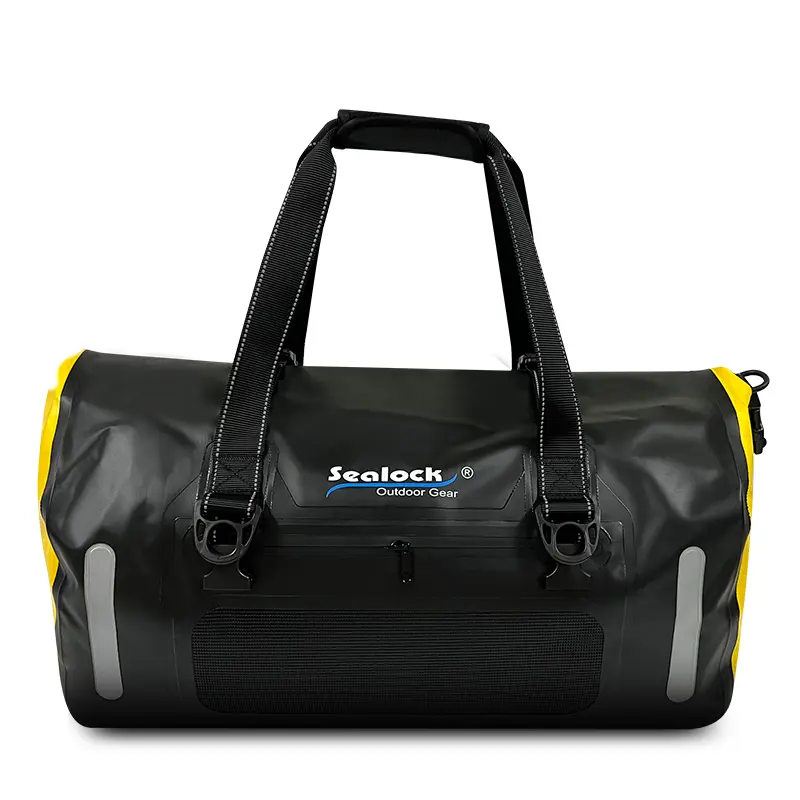
SL-E070 Dry Backpack | 25L | 420D TPU | IPX8 | View |
|
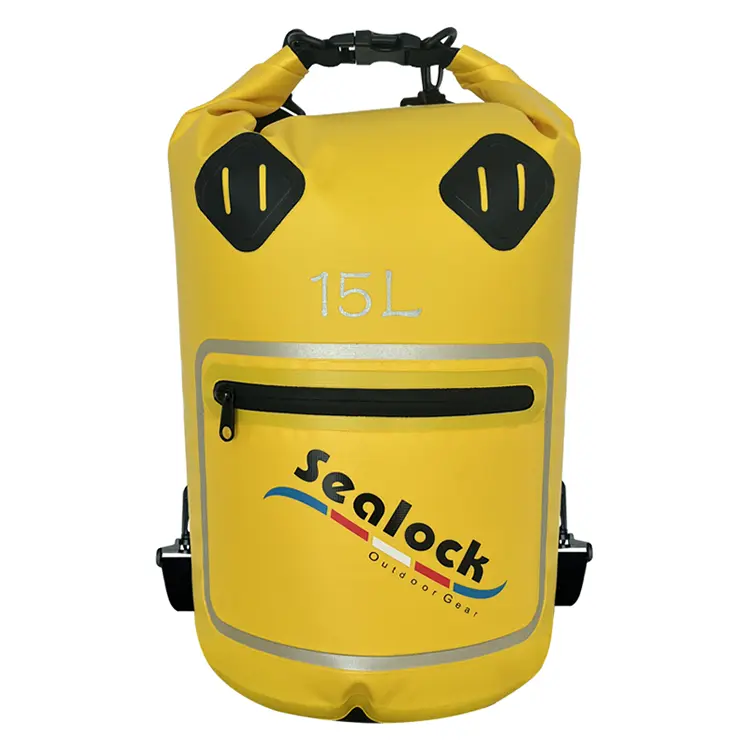
SL-K099 Duffel | 40 / 60L | 840D TPU | IPX7 | View |
|
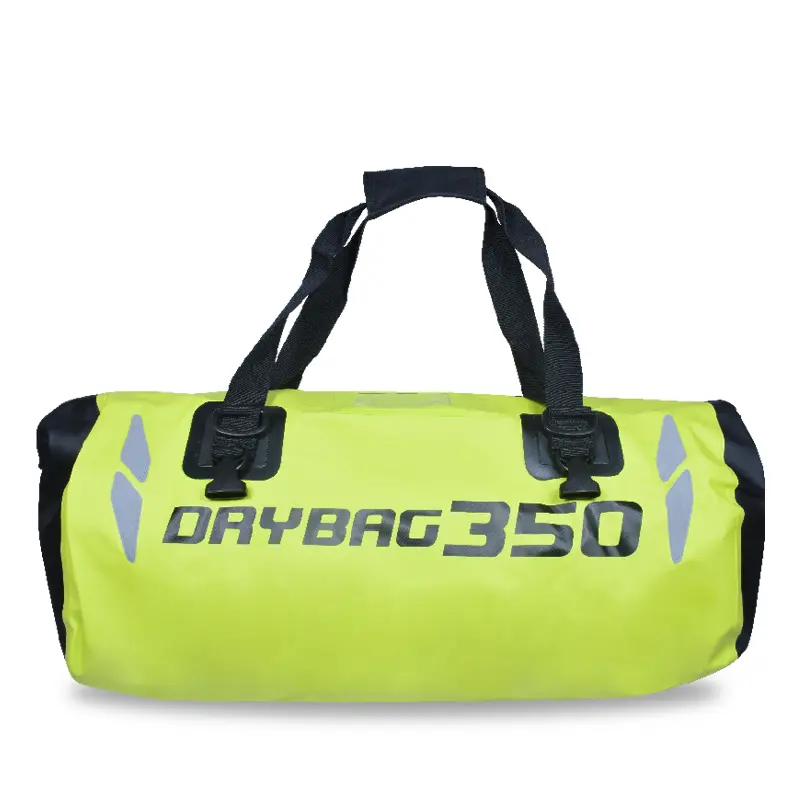
SL-D693 Window Dry Bag | 15 / 20L | 500D PVC + PVC film | IPX7 | View |
|
SL-C619 Motorcycle Bag | 35 / 50L | 500D PVC | IPX6 | View |
Full ranges sit under dry bags, dry backpacks, and duffels. Compliance is backed by ISO 9001, BSCI, SMETA, HIGG, GRS, and SCAN, with test documentation available for tender and vendor-approval submissions. MOQ 300 pcs, samples in 7–15 days, bulk in 30–45 days, from Dongguan, China or Ho Chi Minh City, Vietnam.
9. FAQ
Q: What AQL should I set for a dry bag order?
A: The common reference for consumer goods is 0 for critical, 2.5 for major, and 4.0 for minor, at General Inspection Level II. For a waterproof product, make sure any leak path is classified as major or critical rather than cosmetic, and tighten the critical class around load-bearing hardware. The final numbers should be agreed with the supplier before production, based on your market's risk.
Q: Is passing AQL inspection enough to guarantee quality?
A: No. AQL is a statistical sampling check at final inspection — by then the goods are already made. It has to sit alongside incoming material inspection, in-line weld checks, and functional testing. A batch can pass a visual AQL and still leak if nobody ran an immersion test.
Q: How do I stop arguments about what counts as a defect?
A: Write the defect classification list before mass production and attach it to the order, together with a signed gold sample. Most disputes at final inspection are not about quality — they are about two parties applying different definitions after the fact.
Q: How can a welded seam be checked without destroying the bag?
A: In-line peel tests are run on sample welds at the start of each run, which is destructive on the sample but confirms the parameter set for the batch. Finished units are then verified non-destructively by immersion testing. A good weld tears through the fabric in the peel test rather than separating cleanly at the seam.
Q: Can I use my own inspection company?
A: Yes, and it is worth doing on a significant order. Third-party pre-shipment inspection through SGS, QIMA, Bureau Veritas, or Intertek can be arranged, or you can send your own inspector. Tie the balance payment to a passed report so the inspection has commercial force.
Q: Colour drifted between my first and second order — is that a defect?
A: It depends on the tolerance agreed. Slight variation within an agreed range is normally minor; visible drift from the approved Pantone standard is a major defect. Colour-difference and colour-fastness testing against the gold sample is what keeps repeat orders matching, so specify the standard rather than relying on a description.
Request QC Documentation
For inspection checklists, test reports, defect classification templates, or to arrange a third-party audit, submit an inquiry. Sealock responds to procurement enquiries within 24 hours.