

When an outdoor brand scales a heavy-duty travel duffel from prototype to a 5,000-unit ocean container shipment, the primary risk changes. It shifts from material selection to structural stress distribution. A 40L or 60L duffel packed with expedition gear faces severe shear forces at shoulder strap anchors and along linear zipper tracks. If your manufacturer treats waterproofing and mechanical anchoring as separate, uncalibrated steps, field returns are inevitable.
Step 1: Linear Alignment and Zipper Track Stabilization
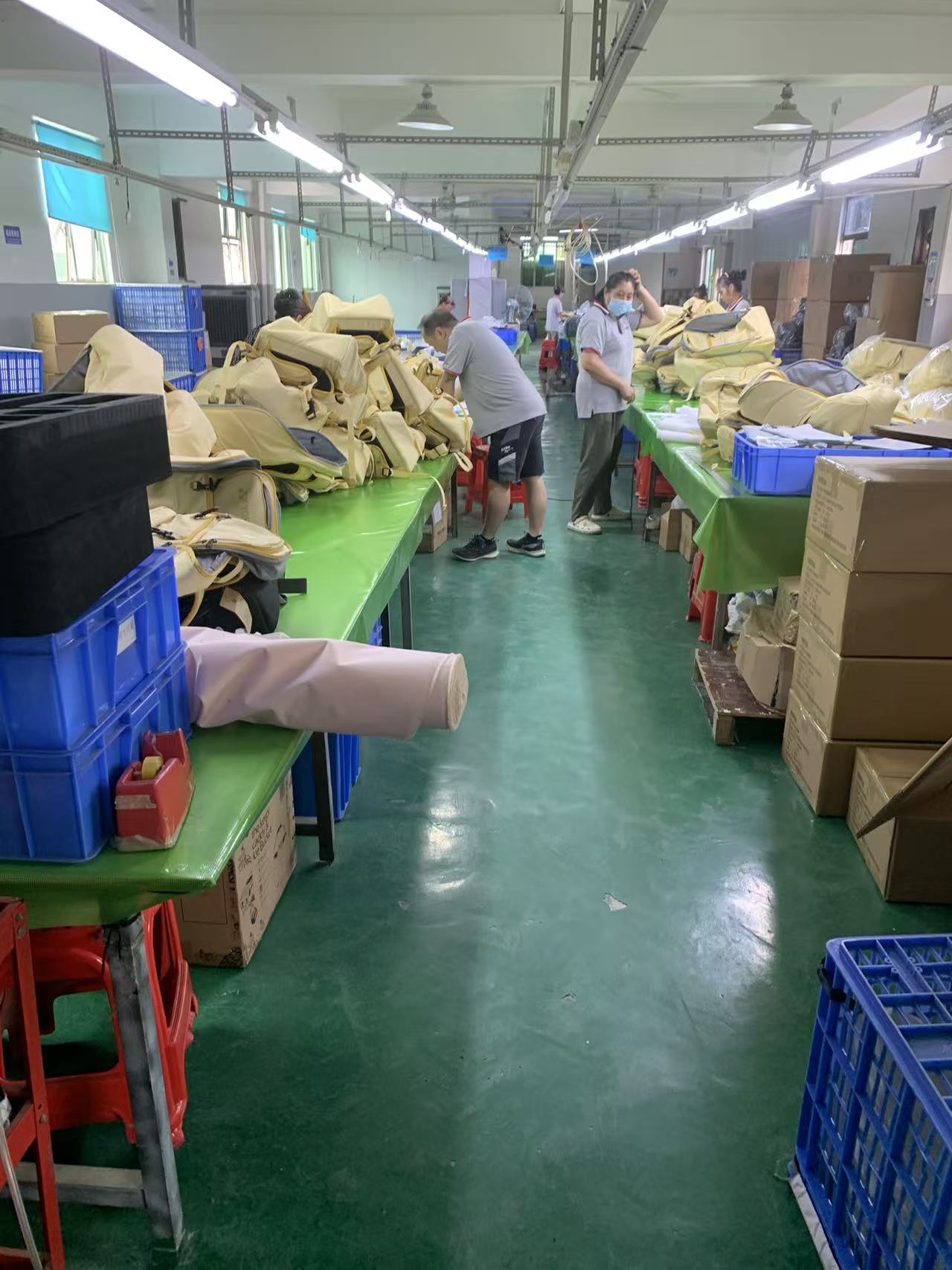
Cylindrical travel duffels provide optimal volume efficiency but present explicit alignment challenges on the assembly line. The top straight zipper track must sit perfectly parallel to the bag's central axis. Any twisting during manual material feeding creates uneven tension across the zipper teeth when the bag is fully loaded.
Sealock utilizes physical tracking jigs to lock the cut panels before the top closure profile is stitched. This prevents fabric bunching along the zipper boundary. For PVC mesh and TPU laminated fabrics, a deviation of more than 1.0mm over a 700mm run causes localized wrinkling. These wrinkles block hot-air sealing tape from lying flat in the next phase, creating microscopic bypass paths for water entry.
Step 2: High-Density Bar-Tack Tracking at High-Tension Anchors
Shoulder strap attachment vectors are the number one failure point for heavy-duty travel luggage. When an end-user lifts a 25kg packed duffel by a single strap, the D-ring patch absorbs concentrated shear stress. Standard cross-stitching shears through the polymer coating under repeated dynamic jerks.
We engineered out this failure path by deploying computer-controlled, high-density bar-tack tracking matrices across all load-bearing anchors:
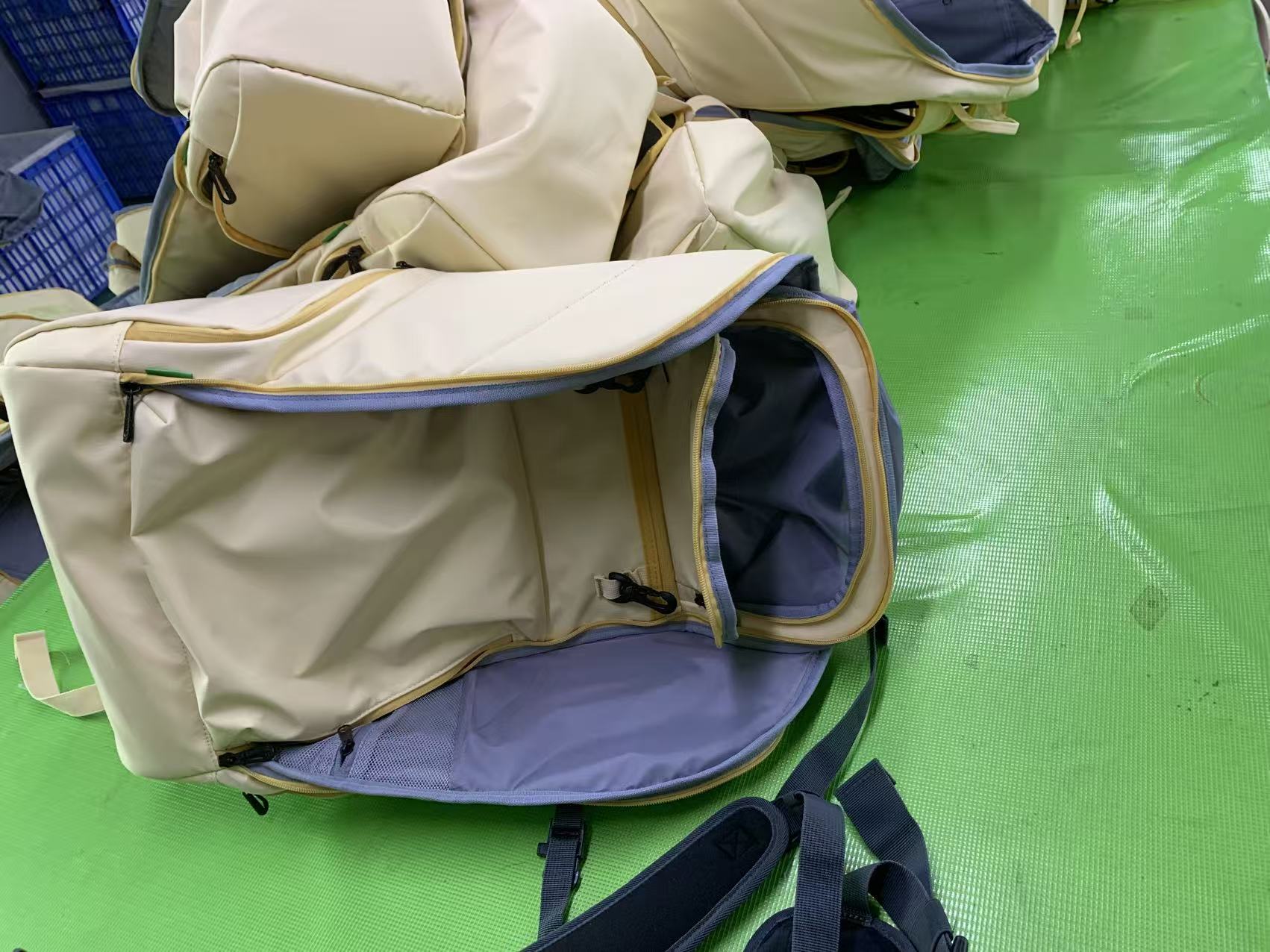
- Stitch Density Calibration: Our automated sewing lines execute a strict 42-stitch per inch pattern on a reinforced two-tone webbing structure. This precise density spreads the load across the structural yarns of the base fabric without perforating the substrate to the point of material tearing.
- Integrated D-Ring Housing: Heavy-duty molded plastic D-rings are locked inside industrial webbing tracks before being stitched down. The mechanical layout aligns the thread patterns perfectly with the directional pull of the shoulder lanyard, eliminating off-axis torque.
Step 3: Hot-Air Seam Sealing Tape Parameter Control
Because structural handles require mechanical stitching, thousands of needle punctures are driven directly through the waterproof fabric. To restore an IPX6 or IPX7 rating, the entire inside stitched perimeter must be sealed using polyurethane (PU) or PVC hot-air backing tapes.
The process demands exact calibration of three interlocking factory parameters: air temperature, roller pressure, and feed speed. If the temperature drops by 5°C, the adhesive fails to melt into the fabric weave, leading to delamination after cold-weather usage. If the speed stalls by 0.5 seconds, the intense heat thins out the base material coating, lowering its abrasion resistance. Our technicians lock these settings to the material lot number, taking daily peeling force samples before clearing the batch for the assembly floor.
Step 4: Comprehensive In-Line Air Leakage Testing
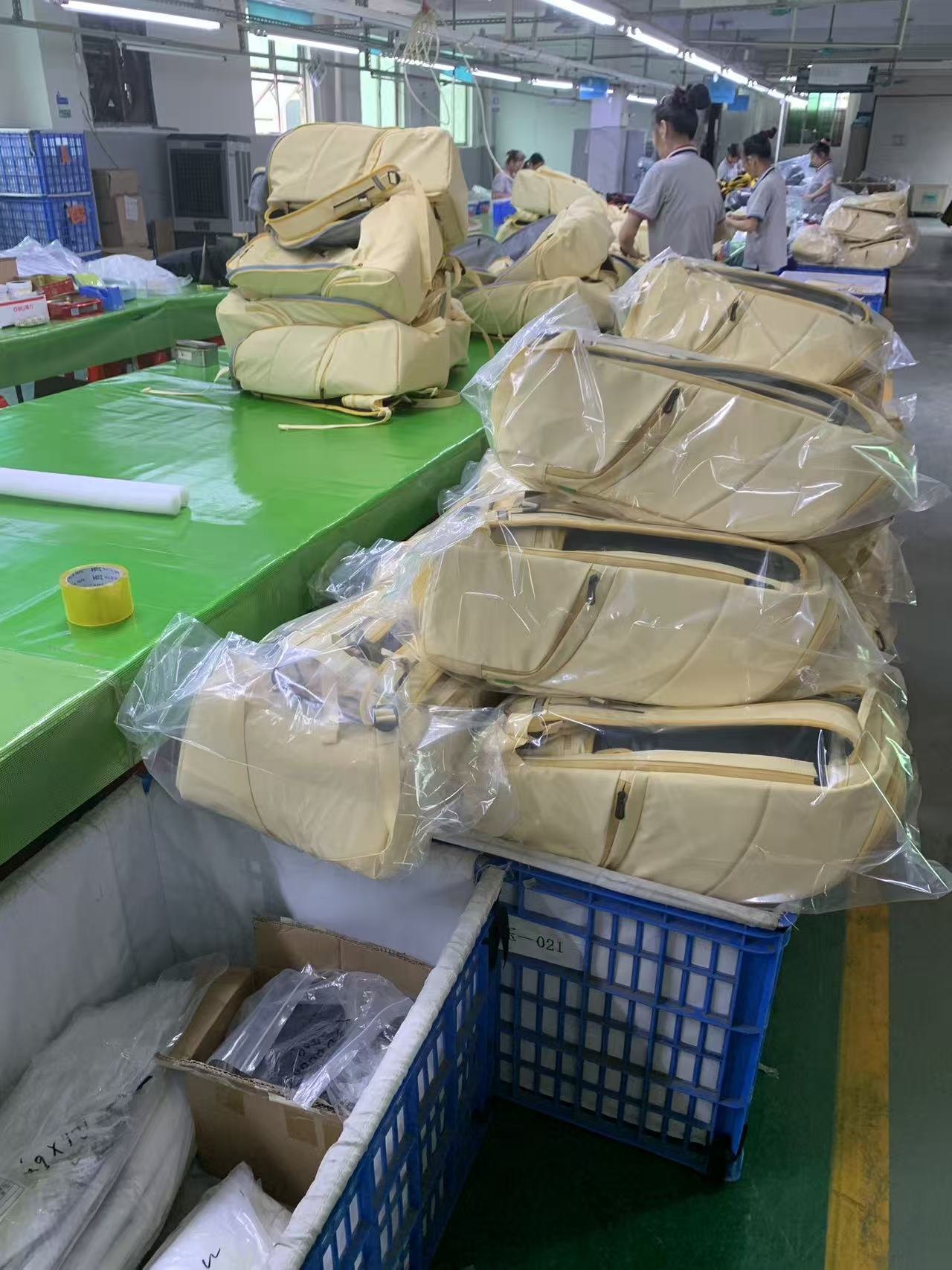
Random batch sampling is insufficient for premium outdoor equipment supply chains. One loose stitch or a misaligned centimeter of seam tape can ruin an entire production run. Sealock maintains a 100% inflation and leak testing gate for all technical duffels post-assembly.
The bags are inflated to a predetermined internal pressure, wiped with a leak-detection fluid, and monitored for drop-offs over a fixed testing window. Technicians manually verify the integrity of the top closure zipper and the base welding points. Only dry, fully sealed units that hold structural volume without deviation are wiped clean and passed to the final aesthetics clearance zone.
Step 5: Master Carton Engineering and Container Palletization
The production process does not end when the bag passes quality control. Storing and shipping heavy-duty bags requires strict environmental management. If a factory packs bags that retain residual moisture from water testing or high workshop humidity, the trapped condensation induces material hydrolysis and mold during transit across hot equatorial maritime lanes.
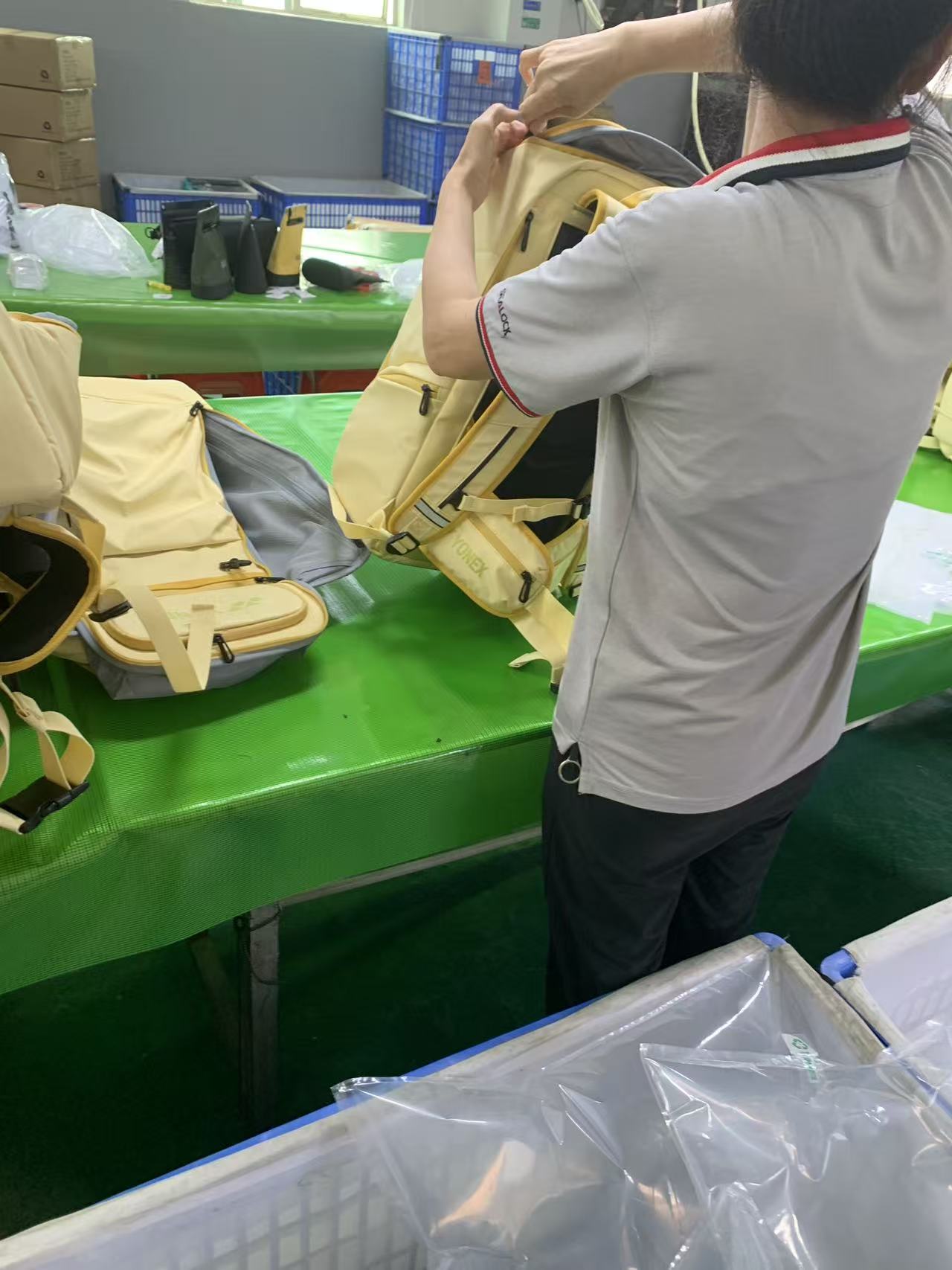
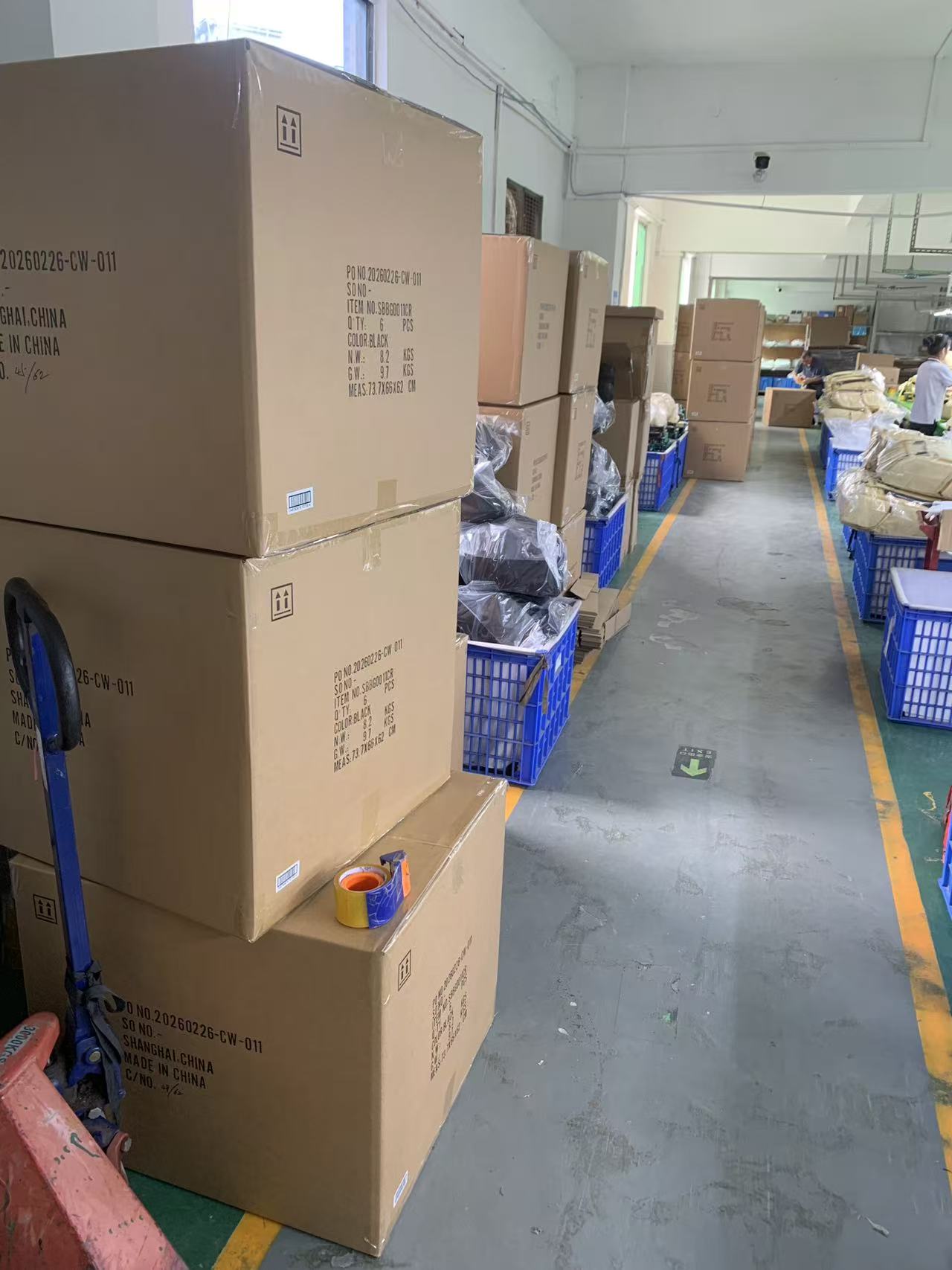
Our final line packaging sector utilizes moisture-controlled staging zones. Bags are fully deflated, folded along non-critical stress axes to avoid permanent creasing, and packed into heavy-duty double-wall corrugated master cartons. These boxes are stacked on standardized pallets and wrapped in secure industrial film to prevent shifting inside the container, ensuring identical out-of-the-box presentation at your global distribution hubs.
The Audit Kill-Shot for Procurement Directors: When auditing an OEM factory for heavy-duty bags, ignore their static sample catalog. Walk directly to their stitching lines and ask the supervisor: "What needle point profiles are your computer bar-tack stations running today, and what is your daily pull-test variance data for the webbing anchors?" A factory operating on manual guesswork cannot provide these metrics. Sealock logs every stitch matrix to ensure absolute consistency across mass production runs.
Frequently Asked Questions Regarding Duffel Bag Manufacturing
Pure RF welding relies on the melting of the surface polymer coating. For a 40L+ travel duffel carrying heavy weights, the sheer force can peel the coating away from the base fabric mesh under violent motion. High-density mechanical stitching grabs the internal structural weave of the fabric, ensuring the handle cannot tear away. We then seal the needle holes internally to restore 100% waterproof performance.
We typically deploy a 20mm to 25mm width heavy-duty polyurethane (PU) or customized PVC adhesive tape, matched to the thickness and base polymer of the main fabric shell. This ensures a consistent molecular bond during the hot-air thermal compression cycle.
Yes. Our production line setup allows us to swap the straight track alignment jigs to accommodate heavy-duty airtight/gas-tight tooth zippers if your product requires an IPX7 or IPX8 complete submersion rating for tactical or diving applications.
We develop 3D curved cutting matrices using digital CAD mapping. The fabric panels are pre-shaped with exact stress-relief curves, meaning the material fits naturally into its cylindrical structure without manual forcing or bunching during assembly.
Our material sourcing network supports custom Pantone matching (including safety orange, high-visibility yellow, and tactical olive drab). The minimum order quantity typically starts at 500 to 1,000 units per batch, depending on the specific denier count of the fabric selected.
Looking for a reliable supply chain partner for custom waterproof gear?
See our advanced engineering capabilities firsthand. Explore the complete Sealock dry bag collection, deep dive into our manufacturing methodologies in the welding vs stitching technology comparison, or contact our B2B project desk to review our complete waterproof bags production line systems today.