
- English
- Español
- Português
- русский
- Français
- 日本語
- Deutsch
- tiếng Việt
- Italiano
- Nederlands
- ภาษาไทย
- Polski
- 한국어
- Svenska
- magyar
- Malay
- বাংলা ভাষার
- Dansk
- Suomi
- हिन्दी
- Pilipino
- Türkçe
- Gaeilge
- العربية
- Indonesia
- Norsk
- تمل
- český
- ελληνικά
- український
- Javanese
- فارسی
- தமிழ்
- తెలుగు
- नेपाली
- Burmese
- български
- ລາວ
- Latine
- Қазақша
- Euskal
- Azərbaycan
- Slovenský jazyk
- Македонски
- Lietuvos
- Eesti Keel
- Română
- Slovenski
- मराठी
- Srpski језик

How Can Waterproof Duffle Bags Redefine Outdoor Mobility and Gear Protection?
Waterproof duffle bags have increasingly become a preferred gear solution across outdoor travel, marine activities, emergency readiness, and rugged field operations. Their value proposition extends beyond simple storage; they function as mobile protection systems engineered to safeguard equipment from rain, spray, immersion, dust, abrasion, and extreme handling environments.
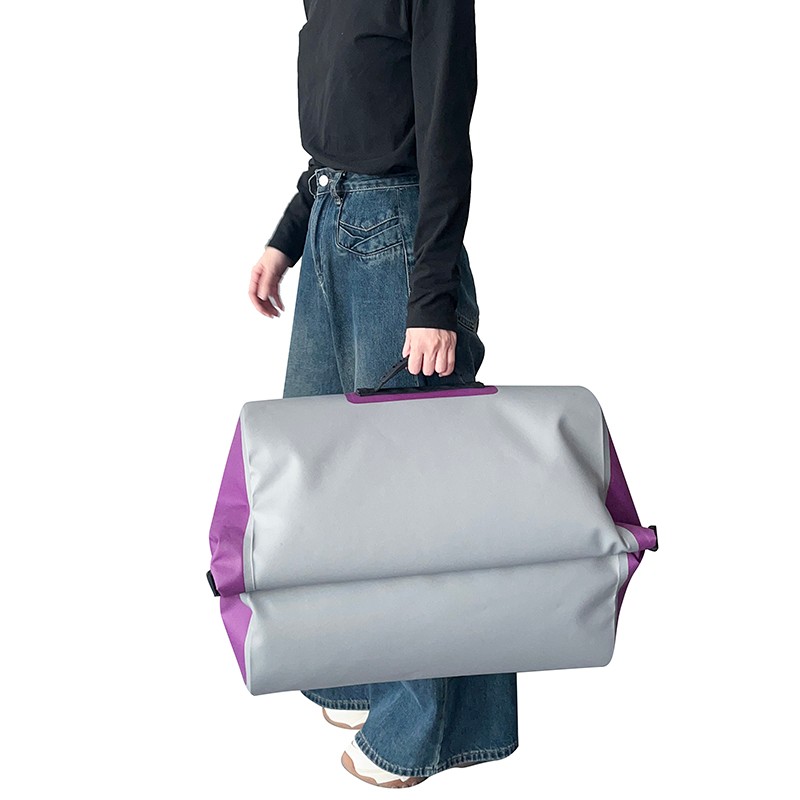
This discussion focuses on the technical, structural, and functional reasoning behind the growing market adoption of waterproof duffle bags. For readers evaluating high-durability gear, the core objective is to clarify how construction materials, sealing methods, capacity engineering, and load-support systems contribute to reliable operational performance.
Product Overview and Technical Specification Framework
Waterproof duffle bags are designed to deliver barrier protection in harsh environments by combining hydrophobic fabrics, welded seams, ergonomic load systems, and modular packing options. The following table summarizes the core parameters of a typical high-performance waterproof duffle bag engineered for demanding applications:
| Parameter Category | Specification Detail |
|---|---|
| Primary Material | 500D–840D PVC tarpaulin or TPU-laminated fabric engineered for hydrostatic resistance |
| Waterproofing Method | High-frequency welded seams, roll-top or waterproof zipper closure (IPX6–IPX7 rating depending on design) |
| Typical Capacity Range | 40L, 60L, 80L, 100L for multi-day gear loads |
| Carrying System | Adjustable padded shoulder straps, reinforced haul handles, detachable sling options |
| Reinforcement Zones | Bottom abrasion panel, stress-point bar-tack stitching, load distribution webbing |
| Compression Design | Side straps or internal compression modules to stabilize gear |
| External Features | Daisy chain lash points, waterproof accessory pocket, reflective logo or visibility stripes |
| Use Profiles | Marine travel, kayaking, camping, tactical fieldwork, motorcycle touring, emergency storage |
These specifications support the central theme of the article: how engineering precision in waterproof duffle bags enables superior gear protection and mobility under unpredictable conditions. The interaction of material durability, sealing systems, and ergonomic architecture determines the real-world performance that users depend on during travel, expeditions, or professional operations.
How Construction Techniques Influence Long-Term Performance
Advanced waterproof duffle bags are defined by the integrity of their manufacturing methodology. The following analysis explores how specific construction elements influence reliability and operational lifespan.
High-Frequency Welded Seams
Heat-welded seams create molecular bonding between fabric layers, eliminating stitch perforations where water could penetrate. This method ensures consistent waterproof performance across large surface areas. Bags utilizing this technique maintain internal dryness even during heavy rain exposure, deck spray, or temporary submersion.
Hydrophobic Laminated Fabrics
PVC tarpaulin and TPU-laminated nylon are favored because they provide structural rigidity, excellent tensile strength, and chemical resistance. Their surface properties repel water and tolerate prolonged UV exposure without cracking or deformation. Compared with traditional canvas or coated polyester, these fabrics deliver superior resistance to abrasion and folding fatigue.
Waterproof Closure Systems
Two common closure architectures define water ingress protection:
-
Roll-Top Sealing – Creates a watertight compression closure ideal for water sports, river crossings, and marine travel; suited for IPX6–IPX7 performance levels.
-
Waterproof Zippers – Provides rapid access and structural rigidity; commonly used where quick repeated entry is necessary, such as rescue kits or photography equipment storage.
Both designs emphasize protection, but each suits different operational workflows. Roll-top closures excel in immersion scenarios, while waterproof zippers support fast access.
Load-Support Engineering
Ergonomic architecture and load distribution significantly affect user comfort and bag lifespan. Features such as padded shoulder straps, reinforced haul points, cross-body systems, and tension-balanced webbing reduce strain on both the user and fabric. This construction approach minimizes structural fatigue, maintains shape under heavy load, and enhances mobility in varied terrains.
Abrasion-Resistant Zones
Bottom panels and edge reinforcements are engineered to withstand repeated contact with stones, docks, vehicle floors, and rough surfaces. This protective feature increases durability and reduces early wear, making the duffle suitable for extended field use and multi-year reliability cycles.
How Waterproof Duffle Bags Enhance User Outcomes Across Applications
The growth of waterproof duffle bags aligns with shifting consumer behaviors. Modern users expect protective travel gear that handles multisport, multi-environment, and multi-day operations. This section examines how these bags deliver strategic advantages across different application categories.
Outdoor Expedition Performance
Hikers, campers, and multi-day travelers require dependable protection from unpredictable weather transitions. Waterproof duffle bags serve as adaptive gear carriers that maintain dryness for clothing, electronics, food rations, and first-aid equipment. Their lightweight design and compression stability allow efficient packing and easy carry through forests, mountain trails, or coastal zones.
Marine and Watersport Readiness
Kayaking, boating, paddleboarding, and river trekking expose gear to waves, spray, and occasional capsizing. Waterproof duffle bags with high-end sealing systems ensure that equipment remains dry even during prolonged water exposure. Lash-point integration facilitates secure deck attachment, preventing gear loss during rough water conditions.
Motorcycle and Overland Travel
Riders often face wind pressure, road debris, and sudden rain. Waterproof duffle bags with cylindrical profiles fit well on bike racks or saddles and maintain structural integrity despite vibration and dust. Their weatherproof nature eliminates dependency on additional rain covers, simplifying the travel workflow.
Professional and Tactical Field Requirements
Emergency response teams, construction professionals, and field researchers often work in uncertain environments where weather and terrain create operational risks. Waterproof duffle bags act as mobile protective storage, safeguarding measurement tools, uniforms, communication devices, and mission-critical kits. Their durability ensures reliability during repetitive daily use.
Strategic Evolution and Market Direction of Waterproof Duffle Bags
Market patterns indicate several future trajectories shaping the evolution of waterproof duffle bags. This section analyzes how technology, materials, and user expectations influence forthcoming advancements.
Materials Innovation
Next-generation bags are trending toward lighter TPU composites and recycled waterproof materials that maintain tensile strength while reducing overall weight. Enhanced UV-resistant coatings and eco-friendly fabric formulations are expected to increase product lifecycle and reduce environmental impact.
Closure System Advancements
Innovations in watertight zippers, magnetic-seal mechanisms, and hybrid sealing designs aim to improve accessibility without compromising waterproof integrity. These engineering refinements support users who require rapid gear retrieval in demanding environments.
Ergonomic Optimization
Future products will likely adopt more customizable strap systems, integrated back-panel padding, and modular load gear extensions. These enhancements are particularly relevant for users who carry heavy loads over long distances.
Modular and Smart Storage Integration
The market trend suggests increased interest in customizable internal dividers, detachable compartments, and sensor-enabled tracking capabilities that improve spatial organization and security. This direction aligns with the broader shift toward multifunctional travel gear.
Common Questions
Q: How can a waterproof duffle bag maintain internal dryness during extreme weather or prolonged water exposure?
A: Internal dryness is achieved through a combination of hydrophobic laminated fabrics, high-frequency welded seams that eliminate stitch punctures, and engineered closure systems such as roll-top sealing or waterproof zippers. These elements collectively block water infiltration, ensuring that moisture cannot penetrate through surface contact, heavy rainfall, spray impact, or short-term submersion. Reinforced bottom panels also prevent ground seepage during prolonged placement on wet surfaces.
Q: How should a waterproof duffle bag be cleaned and maintained to ensure long-term durability?
A: For routine maintenance, users should rinse the bag with clean water after exposure to salt, sand, or mud and allow it to air-dry fully in the shade. Harsh detergents, high-heat drying, or aggressive scrubbing should be avoided, as these can degrade fabric coating or weaken welded seams. Periodic inspections of straps, buckles, and closure mechanisms help identify wear points early and sustain optimal performance throughout the product’s lifespan.
Conclusion and Brand Reference
Waterproof duffle bags represent a strategic category of protective gear essential for outdoor recreation, overland travel, marine sports, and professional field operations. Their combination of durable materials, engineered waterproof sealing, ergonomic load systems, and long-term reliability positions them as an indispensable solution for users requiring dependable protection in unpredictable environments. As innovation continues to reshape materials, closure systems, ergonomics, and modular storage design, waterproof duffle bags will play an even greater role in defining mobility and safety across diverse applications.
Brands specializing in advanced waterproof travel gear have contributed significantly to the refinement of this product category. Among them, Sealock stands out for engineering precision, material expertise, and structural durability. For users seeking a reliable waterproof duffle bag solution tailored to demanding real-world conditions, Sealock offers a portfolio designed to support both recreational and professional use.
For product consultation, technical specifications, or bulk procurement inquiries, contact us to obtain further details and tailored recommendations.